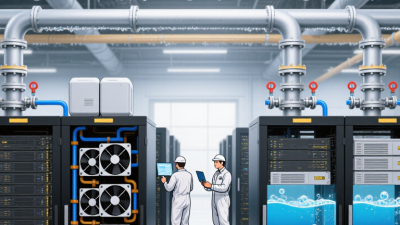
China Top 10 High Performance Computing Cooling Suppliers

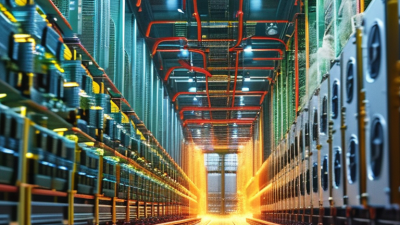
High Performance Computing Cooling has become essential as data centers run denser GPU clusters, larger AI workloads, and faster processors. A single rack can produce substantial heat. If that heat is not removed effectively, performance may become unstable, energy use can rise, and equipment life may suffer. Cooling is not a minor facility detail. It is part of system design.

China’s supplier market includes companies offering liquid cooling, rear-door heat exchangers, precision air conditioning, and integrated data-center solutions. Their capabilities differ. Some focus on cooling components, while others deliver engineering, installation, and ongoing service. Buyers should compare more than product claims. Check operating temperature ranges, cooling capacity, power usage, service coverage, and compatibility with the intended rack layout. Ask for test data and references from installations with similar workloads.

This overview introduces ten Chinese suppliers associated with high-performance computing cooling. It is intended as a starting point, not a definitive ranking. Supplier portfolios and project experience can change, and published specifications may not reflect performance at every site. That matters. A promising design still needs careful validation against local climate, facility constraints, and maintenance needs. Even a well-engineered system can disappoint if integration is overlooked. The right choice depends on measurable requirements, credible technical support, and evidence from real deployments—not marketing language alone.
China Top 10 High Performance Computing Cooling Suppliers

High-Performance Computing Cooling: Core Concepts and System Types

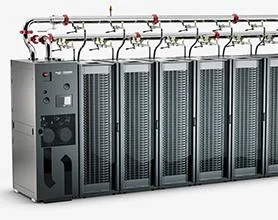
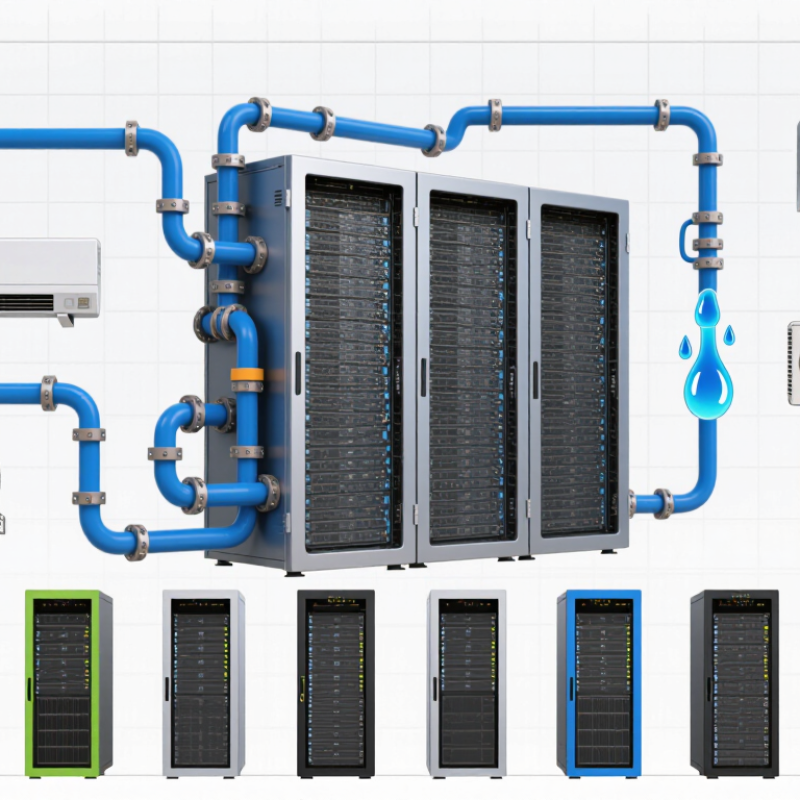
High-performance computing cooling moves heat away from densely packed processors before temperatures constrain performance. Air systems use fans and conditioned room air, but airflow can become difficult to manage around tightly packed accelerator racks. Direct-to-chip liquid cooling circulates coolant through cold plates attached to processors. Immersion systems place server components in dielectric fluid. Each approach has trade-offs in plumbing, maintenance, and heat rejection. Small details matter.

The International Energy Agency’s Electricity 2024 report estimates that data centres used about 460 TWh of electricity in 2022, with consumption potentially exceeding 1,000 TWh by 2026. That figure covers data centres broadly, not HPC cooling alone. Uptime Institute’s 2024 Global Data Center Survey reported an average PUE of 1.56 for 2023. PUE compares total facility energy with IT equipment energy; it does not reveal cooling performance by itself. For system selection, operators should examine rack heat load, coolant temperature, water availability, and how the facility rejects heat. A liquid loop may simplify heat capture, yet it adds connections that need careful inspection. That boundary is easy to overlook.

How China’s HPC Cooling Supplier Landscape Is Evaluated

Evaluating China’s HPC cooling suppliers requires more than comparing quoted cooling capacity. Buyers should examine performance under matched conditions: rack heat load, coolant inlet temperature, flow rate, and ambient conditions. Ask for independently verified test results, commissioning records, and clear limits for operating temperature and pressure. Check redundancy, leak detection, maintenance access, and spare-parts availability. A polished specification sheet is not field evidence.

Industry data explains the scrutiny. The IEA’s Electricity 2024 report estimates that data centres, AI, and cryptocurrency used about 460 TWh of electricity in 2022; demand could reach 620–1,050 TWh by 2026. Uptime Institute’s Global Data Center Survey 2024 reports average data-centre PUE near 1.58 in recent years. These figures do not rank suppliers, but they show why cooling efficiency and whole-system energy use matter. Context matters. Compare measured system performance, not a supplier’s isolated component claims, and request references from deployments with similar rack densities. Some published figures can be hard to compare; that deserves scrutiny.

Tips: Request a site-specific heat-load model, a documented factory acceptance test, and a service plan with response times. Verify assumptions before signing.

China Top 10 High Performance Computing Cooling Suppliers - How China’s HPC Cooling Supplier Landscape Is Evaluated

A neutral evaluation framework: the rows below are assessment dimensions, not named suppliers or a verified company ranking.

No. Evaluation dimension Evidence to request or verify Why it matters for HPC
1 Cooling technology coverage Documented support for air cooling, direct-to-chip liquid cooling, or immersion cooling; identify which components each method serves. HPC systems have differing rack densities and thermal requirements; a method should be matched to the actual server design.
2 Thermal design and capacity data Engineering calculations and test conditions for heat load, coolant flow, inlet temperature, pressure drop, and operating limits. Comparable, clearly stated test conditions help determine whether a system can manage the intended compute load.
3 Cooling distribution and controls System diagrams and specifications for cooling distribution units (CDUs), pumps, heat exchangers, sensors, alarms, and control interfaces. These components govern coolant delivery, monitoring, and coordination between IT equipment and facility infrastructure.
4 Compatibility and integration Compatibility matrix covering server interfaces, rack layouts, facility water loops, control protocols, and installation requirements. Integration gaps can add engineering work, delay commissioning, or limit maintainability.
5 Energy-efficiency measurement Measured cooling-system power and test methodology; where available, facility-level PUE data with measurement boundaries and operating conditions disclosed. PUE is a facility-level ratio, not a standalone chiller or cooling-unit efficiency rating; context is necessary for fair comparison.
6 Water use and heat rejection Cooling-tower or dry-cooler configuration, water-use data where applicable, and the operating assumptions behind any WUE figures. Water demand and heat-rejection design affect site suitability and operating costs; WUE values require a stated measurement boundary.
7 Reliability and leak-risk management Reliability test reports, leak-detection design, isolation procedures, redundancy options, and documented maintenance intervals. Cooling faults can threaten compute availability; risk controls and service procedures should be evaluated alongside performance.
8 Manufacturing and quality assurance Quality-management documentation, component traceability, production test records, and disclosed manufacturing and supply-chain arrangements. Documented quality controls support consistency across equipment batches and help assess supply continuity.
9 Deployment and lifecycle support Commissioning scope, operator training, spare-parts policy, service coverage, warranty terms, and escalation procedures. HPC cooling requires ongoing operations support; lifecycle capability is distinct from initial equipment delivery.
10 Total cost and project evidence Itemized capital and operating costs, stated assumptions, commissioning results, and reference deployments that can be independently checked. A consistent lifecycle-cost view and verifiable project evidence are more useful than unsupported performance claims or headline prices.

Note: No supplier names, brand data, scores, or market ranking are presented. Supplier-specific conclusions require comparable documentation and independently verifiable evidence.

China’s Top 10 High-Performance Computing Cooling Suppliers

China’s Top 10 High-Performance Computing Cooling Suppliers are best assessed by performance, not ranking claims alone. Compare cooling capacity, part-load efficiency, control accuracy, and support for dense server racks. Ask for measured results at your expected inlet temperatures and workload. A polished brochure is not field evidence.

Lawrence Berkeley National Laboratory’s 2024 United States Data Center Energy Usage Report estimates that U.S. data centers used 176 terawatt-hours of electricity in 2023, about 4.4% of national use. It projects 325–580 terawatt-hours by 2028. These are U.S. estimates, not China-specific figures, but they underline why cooling design matters. For Chinese HPC sites, assess liquid-cooling compatibility, water use, leak detection, maintenance access, and performance in local climate conditions. One awkward detail: a highly efficient system can still disappoint if commissioning or ongoing service is weak.

Tips: Request test reports, operating references, and clear service-response times. Compare like for like. A single peak-efficiency figure tells little.

Cooling Technologies and Services Offered by Leading Suppliers

Cooling suppliers serving China’s high-performance computing market offer more than chillers and fans. Their portfolios may include precision air cooling, rear-door heat exchangers, direct-to-chip liquid loops, and immersion systems. For dense GPU racks, cold plates transfer heat close to the chips, while coolant distribution units regulate flow and temperature. Leak detection, filtration, and controls help protect equipment and keep cooling stable. Details matter.

The International Energy Agency’s Electricity 2024 report estimated data centres used about 460 TWh globally in 2022, with demand potentially exceeding 1,000 TWh by 2026. That growth makes efficiency claims worth checking against measured site conditions. The U.S. Department of Energy’s 2024 Lawrence Berkeley National Laboratory report estimated U.S. data-centre electricity use at 176 TWh in 2023, or about 4.4% of national use. It projected 325–580 TWh by 2028. These figures are not China-specific, but they show why suppliers increasingly support load testing, commissioning, and ongoing energy monitoring. Buyers can compare power usage effectiveness and water usage effectiveness, while checking temperature stability under real workloads. No single design fits every hall. Liquid cooling can reduce air-handling demands, yet it adds plumbing and maintenance needs. That trade-off deserves careful review.

Key Factors for Selecting an HPC Cooling Supplier in China

Selecting an HPC cooling supplier in China starts with the actual heat load, not a brochure’s maximum capacity. Share rack density, expected growth, inlet temperatures, and operating hours. Ask for design assumptions in writing. Numbers matter. A credible proposal should explain cooling architecture, redundancy, power demand, water use, and controls. Compare systems under the same operating conditions, including partial-load performance. Request reference projects with similar rack densities and climate conditions, then verify what was measured after commissioning. Small details matter.

Check whether the supplier can support installation, leak testing, commissioning, and emergency repairs near your site. Confirm spare-parts availability, technician response times, and who handles control-system integration. Review the acceptance-test plan: it should define temperature limits, alarms, failure scenarios, and recorded results. A supplier’s efficiency estimate is useful only when its assumptions are clear. Site conditions can change the outcome. Consider local water quality, seasonal temperatures, and the facility’s existing power capacity. Even careful plans miss things; allow time for a site survey and independent review before fixing the final design.