-
PRODUCTS & SERVICESOptimized cooling solutions for modern data centersProducts & ServicesOptimized cooling solutions for modern data centers
-
CAPABILITIESAdvancing liquid cooling technologiesCapabilitiesAdvancing liquid cooling technologies
-
TechnologiesLiquid Cooling InnovationTechnologiesLiquid Cooling Innovation
-
RESOURCESLatest News & InformationResourcesLatest News & Information
-
ABOUTOur history, leadership and ownershipAboutOur history, leadership and ownership
-
CONTACTFacility locations and global operational footprint




What Is Supercomputer Cooling and Why Does It Matter?
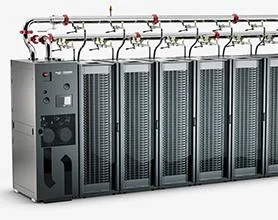
Supercomputer Cooling is no longer a background engineering task. It is a central condition for scientific progress. Modern supercomputers can draw many megawatts, while dense accelerator racks release intense heat through small spaces. A single hot component can reduce performance, shorten hardware life, or trigger an emergency shutdown. Inside these machines, air may move loudly through narrow channels. Liquid loops work more quietly and carry heat away more efficiently. The difference is measurable.
Dr. Bruno Michel, an IBM researcher known for thermal management, has said, “Cooling is becoming the limiting factor in computing.” His warning captures a difficult reality. Faster processors create more heat. More heat demands better cooling. Better cooling can require pumps, water treatment, sensors, and careful facility design. Supercomputer Cooling therefore connects chip architecture with energy policy, operating costs, and environmental responsibility. It also affects reliability. A stable coolant temperature protects calculations that may run for weeks.
Yet no universal solution exists. Direct liquid cooling may outperform air cooling, but installation and maintenance are not simple. Water use can concern communities facing scarcity. Refrigeration can reduce temperatures, but it may increase electricity demand. I may be oversimplifying the balance here. Real systems depend on climate, workload, hardware layout, and local infrastructure. The important point remains clear: cooling must be designed with computing, not added afterward. A practical evaluation should examine heat density, coolant safety, monitoring accuracy, maintenance access, and total energy use. Small design choices can prevent large failures. That makes Supercomputer Cooling both a technical discipline and a long-term investment in dependable computing.
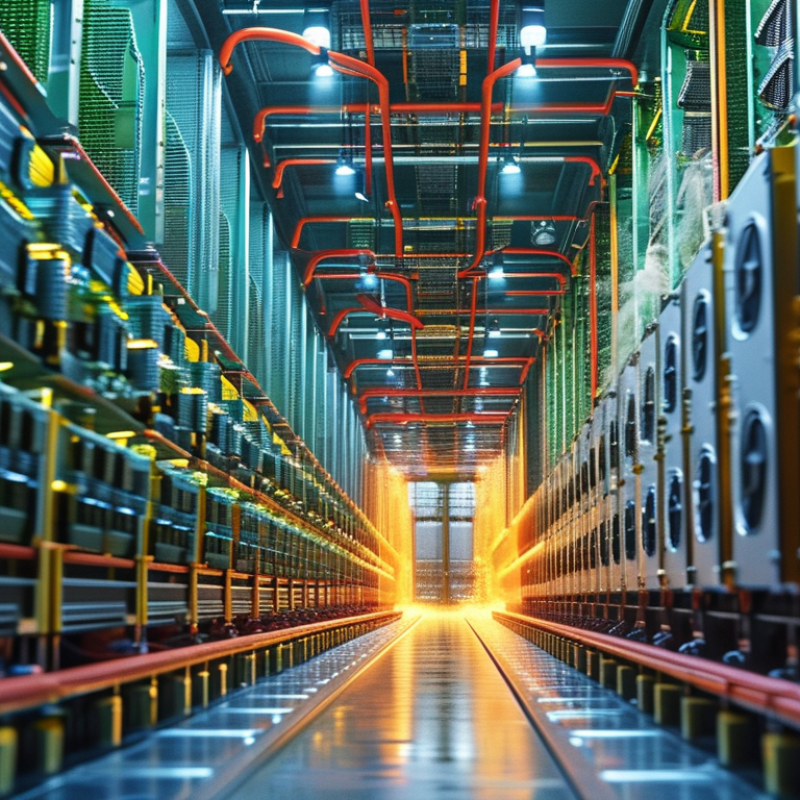
Table of Contents
[Hide]
What Supercomputer Cooling Is and What It Controls
Supercomputer cooling is the process of controlling heat around high-density computing hardware.
These systems can produce intense heat within a small rack footprint. Cooling controls processor temperature, coolant flow, air pressure, humidity, and thermal stability. Each factor affects performance and equipment life.
In practice, operators monitor sensors near processors, memory modules, pumps, and rack inlets. A sudden temperature rise may trigger higher flow or reduce computing speed. This protective response is called thermal throttling.
Liquid cooling can move heat more efficiently than air cooling, especially in tightly packed systems. However, liquid systems require careful leak detection, filtration, pressure control, and maintenance. Small problems can spread quickly.
Cooling also controls energy use. Excessive fan speed or coolant flow wastes electricity without improving safety. Insufficient flow creates hot spots that may remain hidden from average temperature readings.
Sensor accuracy can decline over time, so maintenance records and independent checks matter. Computational models help predict heat patterns, but they are not perfect. Real workloads change quickly.
A design that works during testing may struggle during an unexpected workload surge. This is where engineering judgment remains important. Some facilities still prioritize maximum cooling capacity, even when a balanced approach could reduce waste and simplify operation.
Related Posts
-
Top Server Cooling Solutions for Optimal Performance and Efficiency?
-
China Top 10 Server Cooling Solutions for Optimal Performance?
-

What is AI Data Center Cooling and How Does It Work?
-

Why Is AI Data Center Cooling Essential for Efficient Operations?
-
How to Optimize Data Center Thermal Management for Improved Efficiency?
-

How to Improve Data Center Efficiency with Simple Strategies?