-
PRODUCTS & SERVICESOptimized cooling solutions for modern data centersProducts & ServicesOptimized cooling solutions for modern data centers
-
CAPABILITIESAdvancing liquid cooling technologiesCapabilitiesAdvancing liquid cooling technologies
-
TechnologiesLiquid Cooling InnovationTechnologiesLiquid Cooling Innovation
-
RESOURCESLatest News & InformationResourcesLatest News & Information
-
ABOUTOur history, leadership and ownershipAboutOur history, leadership and ownership
-
CONTACTFacility locations and global operational footprint







Why Choose a Smart Wall Socket for Global Buyers?
Global buyers are rethinking ordinary electrical accessories for connected homes, offices, hotels, and rental properties. A Smart Wall Socket can add remote control, scheduling, energy monitoring, and voice-assistant compatibility without replacing every appliance. Imagine switching off a desk lamp from an airport lounge or checking a heater before leaving home. Small convenience can create meaningful daily value.
However, the right product requires more than attractive packaging. Buyers should examine voltage ranges, plug standards, communication protocols, load ratings, child-safety features, and installation requirements. Regional certification matters. A socket suitable for one market may not meet another market’s electrical expectations. Experienced suppliers should provide test reports, wiring diagrams, firmware information, and clear after-sales support. These details help importers reduce returns and protect end users.
Performance also depends on the surrounding network and building conditions. Thick walls, unstable Wi-Fi, or an overloaded circuit can reduce reliability. Not every “smart” function deserves attention. Sometimes, a simple timer is better than a complex application. That is worth admitting. Global purchasing teams should compare long-term safety, compatibility, warranty service, and total ownership costs rather than chasing the lowest unit price. With careful evaluation, a Smart Wall Socket can become a dependable part of a modern electrical system, not merely another connected gadget. Always confirm local requirements with qualified professionals before installation.
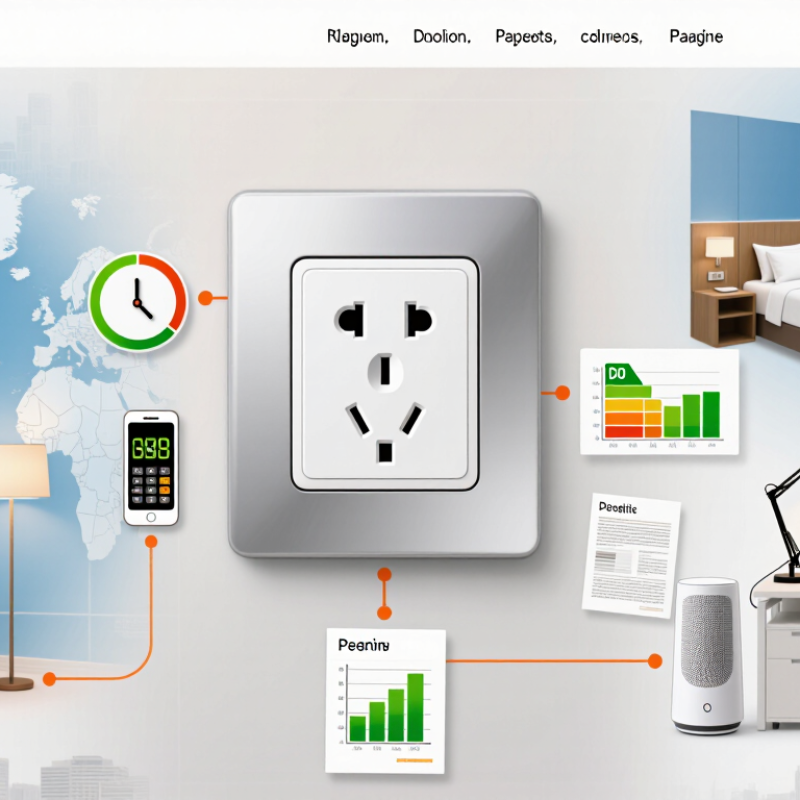
Table of Contents [Hide]
What Is a Smart Wall Socket?
A smart wall socket is a wall-mounted power outlet with connected control features. It can switch appliances on or off through an app, timer, or voice command. Some models also measure energy use, helping buyers notice waste from heaters, lamps, or kitchen devices. The socket usually connects through Wi-Fi, Bluetooth, or another wireless network. It is more than a traditional outlet, but it still depends on safe electrical installation.
For global buyers, compatibility deserves careful attention. Check voltage, frequency, plug shape, grounding, and box dimensions before ordering. A socket designed for one market may not fit another country’s wiring system. Look for overload protection, child safety shutters, clear instructions, and recognized safety testing. In practical use, remote control feels convenient when a lamp is left on upstairs. However, network failure can interrupt smart functions. That limitation is easy to overlook.
Tips: Confirm local electrical requirements first. Choose a qualified installer when wiring changes are needed. Test the timer with a low-power lamp before connecting larger appliances. Keep the manual, and update the device only through secure channels. Smart control is useful, but it should not replace basic electrical safety. Some energy readings may also be approximate, so treat them as guidance rather than laboratory measurements.