-
PRODUCTS & SERVICESOptimized cooling solutions for modern data centersProducts & ServicesOptimized cooling solutions for modern data centers
-
CAPABILITIESAdvancing liquid cooling technologiesCapabilitiesAdvancing liquid cooling technologies
-
TechnologiesLiquid Cooling InnovationTechnologiesLiquid Cooling Innovation
-
RESOURCESLatest News & InformationResourcesLatest News & Information
-
ABOUTOur history, leadership and ownershipAboutOur history, leadership and ownership
-
CONTACTFacility locations and global operational footprint



Why Choose a CNC Laser Cutting Machine?
A Cnc Laser Cutting Machine turns digital designs into precise parts with a focused beam and controlled motion. It can cut sheet metal, acrylic, and other compatible materials, depending on the machine’s power and configuration. In a workshop, that precision may mean cleaner edges, fewer manual adjustments, and more consistent results across repeated jobs. Small details matter.
Choosing one is not only about cutting speed. Material thickness, bed size, extraction, software compatibility, and operator training all affect daily performance. A machine rated for a certain thickness may not deliver the same edge quality at every speed. Check the specifications against real production needs, and ask for sample cuts using your own material where possible.
There are trade-offs. The purchase price is only part of the cost; lenses, maintenance, ventilation, and downtime also deserve attention. Laser cutting can reduce some finishing work, but it does not remove every production challenge. A careful comparison helps buyers decide whether the technology fits their workload, workspace, and budget. And sometimes, a simpler machine is the better choice.
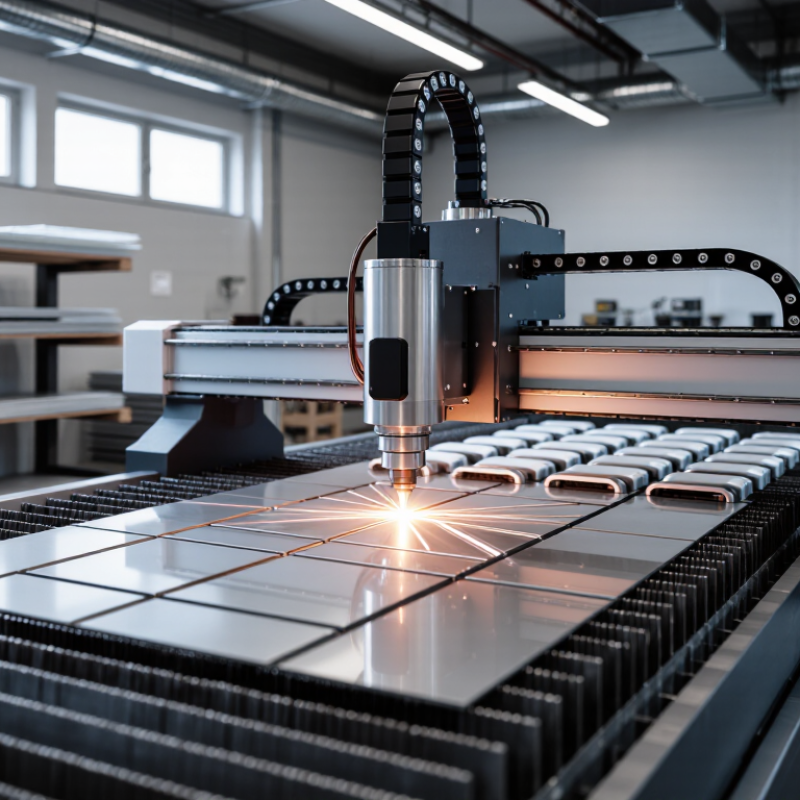
Table of Contents [Hide]
How a CNC Laser Cutting Machine Works
A CNC laser cutting machine turns a digital drawing into a controlled path across sheet material. An operator prepares a CAD design, then software converts its contours into movement instructions. The controller coordinates the cutting head and worktable, guiding the beam along programmed X and Y axes. Small details matter: a misplaced origin can shift the whole cut. It happens.
Inside the head, a lens focuses laser energy into a tiny, intense spot. The beam heats the material until it melts, burns, or vaporizes along the cut line. Assist gas, delivered through a nozzle, clears molten material and helps maintain a clean kerf. The gas and power settings vary with material and thickness. Stainless steel and thin acrylic do not behave alike, so a test cut can reveal problems before a full sheet is used.
The machine’s motion system follows the programmed path while maintaining a consistent distance between the nozzle and the workpiece. Operators adjust focus, speed, power, and gas pressure to suit the job. Too much heat may discolor an edge; too little can leave an incomplete cut. Extraction removes smoke and particles, while an enclosed work area helps control exposure to the beam. Even a well-tuned setup can need small corrections when material varies from sheet to sheet.