-
PRODUCTS & SERVICESOptimized cooling solutions for modern data centersProducts & ServicesOptimized cooling solutions for modern data centers
-
CAPABILITIESAdvancing liquid cooling technologiesCapabilitiesAdvancing liquid cooling technologies
-
TechnologiesLiquid Cooling InnovationTechnologiesLiquid Cooling Innovation
-
RESOURCESLatest News & InformationResourcesLatest News & Information
-
ABOUTOur history, leadership and ownershipAboutOur history, leadership and ownership
-
CONTACTFacility locations and global operational footprint






What Are the Top Oil Tank Manufacturers?
Choosing the top Oil Tank manufacturers requires more than comparing production volume or website claims. A dependable supplier must demonstrate engineering depth, documented quality systems, and consistent field performance. Storage tanks face changing pressures, temperature cycles, corrosion, settlement, and demanding maintenance conditions. Their performance begins with design details, but it continues through fabrication, installation, inspection, and repair.
Dr. George E. Totten, a respected authority in industrial materials and corrosion control, has stated, “Corrosion control begins with understanding the environment.” This principle matters when evaluating Oil Tank manufacturers. A tank designed for clean water may not suit crude oil, diesel, chemicals, or heated products. Buyers should examine steel specifications, welding procedures, coating systems, leak detection, foundation design, and compliance with standards such as API 650 and API 653. Small details matter. A poorly protected roof seam can become an expensive weakness.
This guide compares leading manufacturers through practical criteria, including product range, customization, inspection support, delivery capability, and lifecycle value. Companies such as CST Industries, Tank Connection, Permastore, and other established suppliers may excel in different applications. However, no manufacturer is automatically the best for every project. Regional service, climate, storage medium, and maintenance resources can change the result. That is easy to overlook.
The comparison also recognizes an uncomfortable reality: published rankings are rarely perfect. Some manufacturers disclose more evidence than others. Therefore, readers should verify certifications, project references, warranty terms, and inspection records before making a final decision. The strongest Oil Tank supplier is not merely the one with the largest catalog. It is the one that fits the site, the product, and the long-term operating plan.
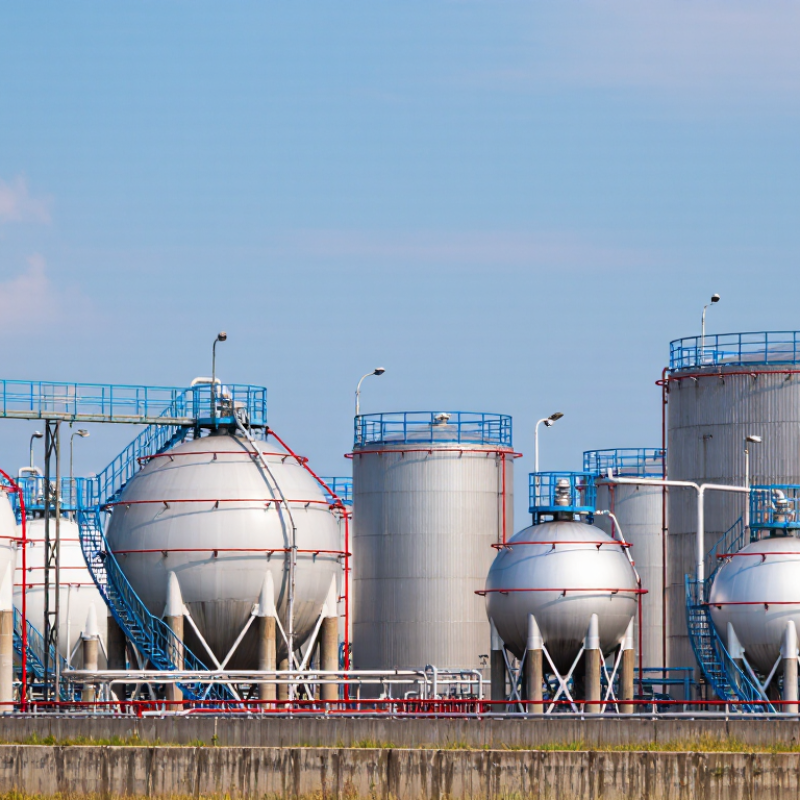
Table of Contents [Hide]
Oil Tank Manufacturing: Purpose, Types, and Industry Standards
What Are the Top Oil Tank Manufacturers?
Oil tank manufacturing begins with purpose, not appearance. Crude oil storage needs large welded tanks, while fuel distribution often uses smaller aboveground units. Double-wall designs add secondary containment. Underground tanks save surface space but demand careful corrosion monitoring. The U.S. Energy Information Administration’s Annual Energy Outlook shows continuing demand for liquid fuels across transport and industry. That demand keeps storage capacity important, even as energy systems change.
A capable manufacturer should understand API 650 for welded atmospheric tanks and API 653 for inspection, repair, and alteration. Smaller shop-built tanks may follow UL 142 requirements. NFPA 30 also guides flammable and combustible liquid storage. These standards affect steel selection, weld quality, venting, foundations, and leak control. They are not decorative certificates. They shape daily safety.
Material traceability matters. So does documented pressure testing. The American Petroleum Institute emphasizes inspection and maintenance throughout a tank’s service life. A reliable supplier should provide welding records, coating specifications, dimensional checks, and clear inspection access. It should also calculate wind, seismic, thermal, and settlement loads for the site. Bigger is not always better. That assumption can fail when foundations, access, or future inspection are overlooked. In practice, the strongest manufacturers combine engineering judgment with independent testing. Even then, specifications deserve a second review.
What Are the Top Oil Tank Manufacturers? - Oil Tank Manufacturing: Purpose, Types, and Industry Standards
| Tank Category | Typical Construction | Common Capacity Range | Typical Oil Products | Primary Manufacturing Features | Commonly Applicable Standards | Typical Installation | Key Safety or Quality Requirements |
|---|---|---|---|---|---|---|---|
| Aboveground Atmospheric Storage Tank | Welded carbon steel with a fixed or floating roof | From several thousand litres to more than 100,000 m³, depending on design and service | Crude oil, diesel, fuel oil, and refined petroleum products | Rolled steel shell courses, welded bottoms, roof structures, nozzles, vents, and access platforms | API 650; applicable fire and environmental regulations | Oil terminals, refineries, production sites, and distribution facilities | Foundation settlement control, weld inspection, spill containment, grounding, and overfill protection |
| Low-Pressure Storage Tank | Welded steel tank designed for controlled internal pressure | Project-specific; commonly used for large-volume industrial storage | Volatile petroleum liquids and products requiring vapor control | Reinforced shell and roof, pressure-vacuum protection, and engineered vapor-management systems | API 620; related process, fire, and environmental requirements | Refineries, petrochemical plants, and bulk storage terminals | Pressure relief devices, vacuum protection, controlled welding procedures, and inspection records |
| Shop-Fabricated Aboveground Tank | Factory-welded carbon steel or stainless steel tank | Commonly up to approximately 190,000 litres for standardized aboveground designs | Diesel, heating oil, lubricants, and selected petroleum products | Controlled factory fabrication, standardized fittings, leak testing, and easier transport to site | UL 142 where the design and jurisdiction require this listing; local fire codes also apply | Fuel stations, commercial buildings, farms, workshops, and backup-power facilities | Secondary containment, emergency venting, inspection of seams, and compliant dispensing equipment |
| Underground Storage Tank | Steel with corrosion protection or reinforced fiberglass-reinforced plastic | Typically several thousand to more than 100,000 litres per tank | Gasoline, diesel, aviation fuel, and other regulated petroleum products | Corrosion-resistant exterior, leak-detection systems, compatible piping, and anchoring where required | Local underground-storage regulations; installation requirements vary by jurisdiction | Service stations, airports, fleet facilities, and industrial sites | Release detection, corrosion control, sump inspection, overfill prevention, and groundwater protection |
| Double-Wall Storage Tank | Primary steel or composite tank enclosed by a secondary wall | Available in both shop-fabricated and larger engineered configurations | Diesel, lubricating oil, heating oil, and regulated fuels | Interstitial monitoring space between the primary tank and outer containment wall | Applicable fire, environmental, and tank-construction standards for the installation | Commercial, industrial, transportation, and fuel-distribution sites | Continuous or periodic interstitial leak monitoring, protected fittings, and documented integrity testing |
| Horizontal Cylindrical Tank | Welded steel or fiberglass-reinforced plastic with saddle supports | Commonly from approximately 1,000 to 100,000 litres | Diesel, fuel oil, lubricants, and process oils | Compact footprint, saddle supports, manways, vents, level gauges, and optional internal coatings | UL 142 or other locally accepted construction standards, when applicable | Small industrial sites, agricultural facilities, vehicle fleets, and heating systems | Support-load verification, anchoring, corrosion protection, safe fill connections, and spill control |
| Vertical Fixed-Roof Tank | Welded steel shell with cone, dome, or other fixed roof | From small industrial tanks to very large terminal tanks | Diesel, fuel oil, crude oil, and lower-volatility petroleum products | Efficient land use, shell stiffening, roof framing, vents, stairways, and roof-mounted instrumentation | API 650 is widely used for welded atmospheric tanks | Refineries, terminals, power plants, and manufacturing facilities | Vent sizing, roof drainage, corrosion allowance, settlement monitoring, and emergency response planning |
| Floating-Roof Tank | Welded steel shell with an internal or external floating roof | Generally selected for medium- to very-large-volume storage | Crude oil, gasoline blend components, and other volatile petroleum liquids | Floating roof, rim seals, roof drains, guide systems, and vapor-loss reduction features | API 650 and applicable air-emissions and fire-safety regulations | Refineries, oil terminals, and bulk petroleum storage facilities | Seal inspection, roof-drain maintenance, grounding, stormwater management, and overfill protection |
| Stainless-Steel Oil Tank | Welded stainless steel selected for corrosion or hygiene requirements | Project-specific, from small process vessels to industrial storage tanks | Specialty oils, chemicals, edible oils, and corrosive or contamination-sensitive fluids | Controlled material selection, clean welding, passivation where required, and product-compatible fittings | Applicable pressure, process, food, fire, and environmental standards based on service | Food-processing plants, chemical facilities, laboratories, and specialty manufacturing sites | Material compatibility, weld cleanliness, surface-finish control, traceability, and product-contact approval where required |
| Flexible or Bladder Storage Tank | Flexible coated fabric or elastomeric membrane supported by a containment system | Commonly used for temporary or moderate-volume storage | Selected oils and fuels compatible with the membrane material | Foldable construction, rapid deployment, low foundation demand, and chemical-resistant liners | Manufacturer design specifications plus applicable fire, environmental, and site regulations | Temporary projects, remote locations, emergency response, and limited-access sites | Membrane compatibility, abrasion protection, temperature limits, secondary containment, and routine leak checks |