-
PRODUCTS & SERVICESOptimized cooling solutions for modern data centersProducts & ServicesOptimized cooling solutions for modern data centers
-
CAPABILITIESAdvancing liquid cooling technologiesCapabilitiesAdvancing liquid cooling technologies
-
TechnologiesLiquid Cooling InnovationTechnologiesLiquid Cooling Innovation
-
RESOURCESLatest News & InformationResourcesLatest News & Information
-
ABOUTOur history, leadership and ownershipAboutOur history, leadership and ownership
-
CONTACTFacility locations and global operational footprint

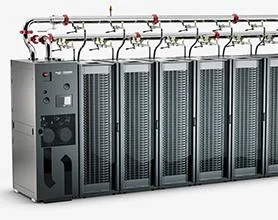


What is Warm Water Cooling and How Does it Work?
Warm Water Cooling is an innovative cooling technique that uses water at a higher temperature than traditional methods. This approach can be particularly effective in various settings, from industrial processes to residential air conditioning. By harnessing the natural cooling properties of water, it offers a more energy-efficient and eco-friendly alternative.
The principles behind Warm Water Cooling are relatively simple yet profound. Rather than relying on refrigerants, warm water systems circulate water to absorb heat from the environment. This method not only reduces energy consumption but also lowers carbon emissions. As cities strive for sustainability, Warm Water Cooling stands out as a viable solution.
However, it's essential to acknowledge the challenges in implementing this system. Suitable infrastructure and initial investment can be significant hurdles. There might also be doubts regarding the system's efficiency in extremely hot climates. Thus, while Warm Water Cooling presents promising benefits, careful consideration is required to address its limitations effectively. This evolving technology can shape a more sustainable future when approached thoughtfully.

Table of Contents
[Hide]
Definition of Warm Water Cooling and Its Applications
Warm water cooling is an innovative technique used to manage heat in various applications. It typically employs water at moderate temperatures to absorb heat from equipment or processes. This method is often seen in industrial setups, where machines generate significant heat. Instead of relying solely on traditional cooling systems, warm water can effectively transfer heat, reducing energy costs.
Applications of warm water cooling are diverse. In data centers, it helps maintain optimal temperatures for servers. Buildings with large HVAC systems also benefit from this approach. Warm water cooling can enhance efficiency and extend the lifespan of equipment. Additionally, it's utilized in aquaculture to regulate water temperatures, promoting healthier environments for marine life.
However, implementing warm water cooling can have challenges. Proper system design is crucial to achieve desired outcomes. If done incorrectly, it may lead to insufficient cooling or increased energy use. Monitoring systems is essential to address these potential pitfalls. Developers must also consider the environmental impact of water sourcing. Balancing efficiency with ecological responsibility remains an ongoing concern.
What is Warm Water Cooling and How Does it Work?
| Dimension | Description | Applications |
|---|---|---|
| Definition | Warm water cooling is a method of temperature regulation using water that is heated to a moderate temperature, usually between 15-25 degrees Celsius. | Used in residential heating, industrial cooling processes, and aquaculture systems. |
| Mechanism | It operates by circulating warm water through pipes or systems that transfer heat away from the intended area. | Cooling of manufacturing machinery, HVAC systems, and swimming pools. |
| Advantages | Energy efficiency, reduced environmental impact, and consistent temperature control. | Sustainable energy systems and efficient industrial cooling. |
| Disadvantages | Limited effectiveness in extreme heat, potential for biofilm growth in water systems. | May require additional treatment facilities for water quality. |
| Future Trends | Integration with smart technology and increased use in renewable energy systems. | Growing in urban planning and climate control initiatives. |
Related Posts
-
Discover the Benefits of High Density Computing in China
-

China Top 10 Server Cooling Solutions for Optimal Performance?
-

Effective Strategies for Data Center Thermal Management?
-

How to Optimize Your Enterprise Computing Infrastructure for Better Performance?
-
How to Improve Data Center Efficiency with Simple Strategies?
-
Why Choose Cold Plate Cooling for Your Electronic Devices?