-
PRODUCTS & SERVICESOptimized cooling solutions for modern data centersProducts & ServicesOptimized cooling solutions for modern data centers
-
CAPABILITIESAdvancing liquid cooling technologiesCapabilitiesAdvancing liquid cooling technologies
-
TechnologiesLiquid Cooling InnovationTechnologiesLiquid Cooling Innovation
-
RESOURCESLatest News & InformationResourcesLatest News & Information
-
ABOUTOur history, leadership and ownershipAboutOur history, leadership and ownership
-
CONTACTFacility locations and global operational footprint





What Is a Truck Crane Cylinder and How Does It Work?
A Truck Crane Cylinder is a hydraulic actuator that creates controlled linear movement on a truck-mounted crane. It commonly raises the boom, extends telescopic sections, or positions stabilizing equipment. Inside its steel barrel, pressurized hydraulic oil pushes against a piston. The piston moves a chrome-plated rod. That rod transfers force to the crane structure.
The working process is direct, but not simple. A hydraulic pump sends oil through control valves and hoses. Oil entering one cylinder chamber moves the piston outward. Oil leaving the opposite chamber returns to the tank. Reversing the oil flow retracts the rod. Seals help maintain pressure, while the barrel and rod carry heavy mechanical loads. Performance depends on oil cleanliness, correct pressure, proper alignment, and the cylinder’s rated capacity.
Small details matter. A damp seal may leave a thin oil ring on the rod. A bent rod can cause uneven movement or rapid seal wear. Unusual noise may suggest trapped air, restricted flow, or a failing pump. These signs require careful inspection, not guesswork. Always compare testing procedures with the crane manufacturer’s service manual. Never rely only on appearance.
The term “truck crane cylinder” is not perfectly standardized. Different suppliers may describe lifting, telescopic, or outrigger cylinders differently. That can create confusion during replacement. Even experienced technicians can overlook mounting angles or hydraulic port specifications. A correct explanation must connect design, pressure, load, and maintenance. This guide examines how these cylinders work and why reliable inspection protects both equipment performance and job-site safety.
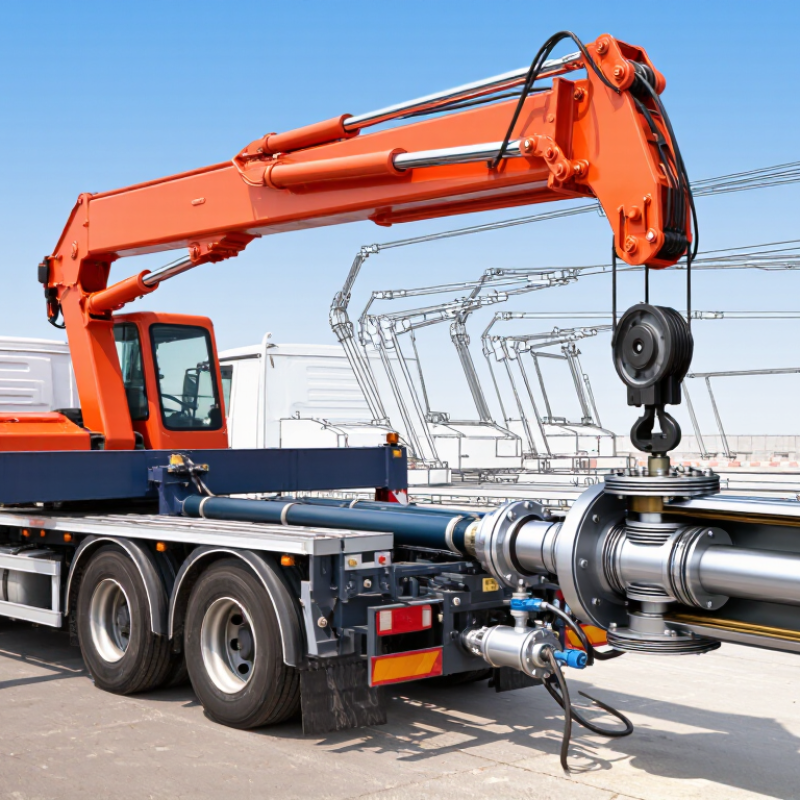
Table of Contents [Hide]
Truck Crane Cylinder: Definition and Role in Lifting Systems
A truck crane cylinder is a hydraulic actuator that converts pressurized oil into controlled movement. It usually contains a steel barrel, piston, rod, seals, and mounting joints. When hydraulic fluid enters one side, pressure pushes the piston. The rod then extends or retracts, moving the boom, stabilizer, or lifting arm.
Its role in the lifting system is precise and demanding. The cylinder supports boom elevation, load positioning, and sometimes crane stabilization. Unlike a simple mechanical strut, it allows gradual movement and adjustable force. A properly sized cylinder must match the crane’s load capacity, working angle, stroke length, and hydraulic pressure. In field inspections, uneven extension often points to trapped air, worn seals, contamination, or alignment stress. Small leaks matter. They can reduce lifting accuracy and create unsafe pressure loss. However, not every slow movement comes from the cylinder; the control valve and pump also deserve attention.
Tips: Keep the rod clean and lightly protected from moisture. Inspect seals, hoses, pins, and mounting points before operation. Never touch a suspected leak with bare hands, because hydraulic fluid can penetrate skin. Use the manufacturer’s service data for pressure checks. A visual inspection is useful, but it is not enough. Many failures begin inside the cylinder, where damage remains hidden until performance changes. Personally, I would not ignore a slight knocking sound; it may seem minor, yet it often deserves a closer inspection.