-
PRODUCTS & SERVICESOptimized cooling solutions for modern data centersProducts & ServicesOptimized cooling solutions for modern data centers
-
CAPABILITIESAdvancing liquid cooling technologiesCapabilitiesAdvancing liquid cooling technologies
-
TechnologiesLiquid Cooling InnovationTechnologiesLiquid Cooling Innovation
-
RESOURCESLatest News & InformationResourcesLatest News & Information
-
ABOUTOur history, leadership and ownershipAboutOur history, leadership and ownership
-
CONTACTFacility locations and global operational footprint




China Top 10 Reaction Injection Molding Manufacturers?
China’s automotive sector gives Reaction Injection Molding manufacturers a substantial market to serve. The China Association of Automobile Manufacturers reported 30.16 million vehicles produced in 2023. OICA reported 93.5 million vehicles produced worldwide that year. These figures describe automotive production, not RIM demand directly. They do, however, show the scale of a key market for lightweight, molded components.
RIM can produce large, complex polyurethane parts with relatively low tool pressure. Yet supplier quality depends on more than process capability. Buyers should examine tooling design, material consistency, dimensional control, production capacity, and after-sales support. Polyurethane specialist David Randall’s technical work offers a useful reminder: formulation and processing need to be considered together. This is a paraphrase, not a verbatim quotation. A practical point.
This “China Top 10 Reaction Injection Molding Manufacturers” guide will compare suppliers through those measurable criteria. It will also distinguish documented capabilities from broad marketing claims. Public information can be incomplete, and factory profiles do not always reveal real-world process consistency. Treat the shortlist as a starting point. Request samples, inspect relevant certifications, and verify performance against your part specifications before choosing a partner.
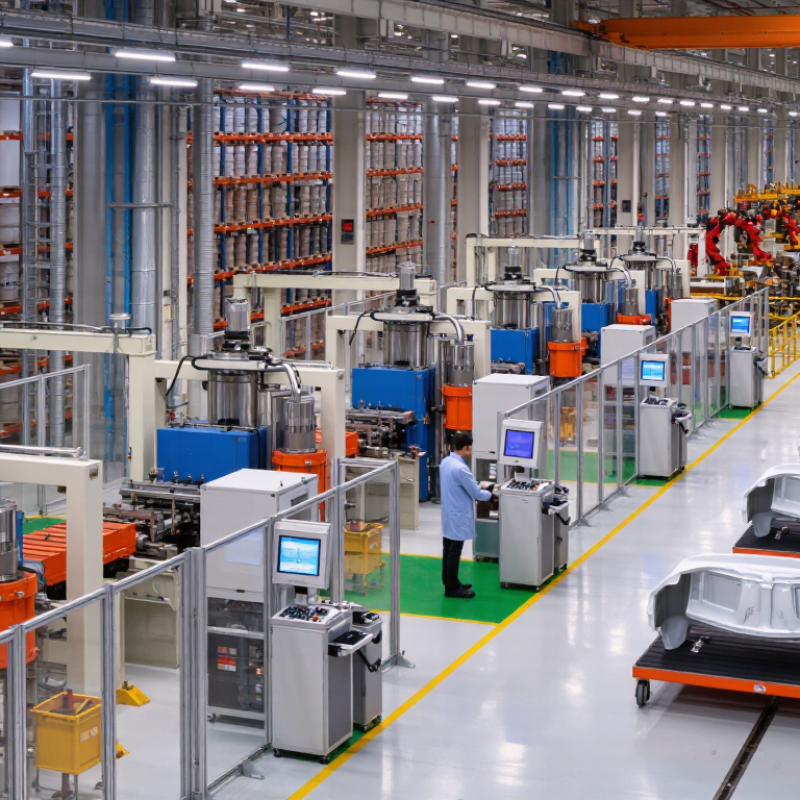
Table of Contents [Hide]
What Is Reaction Injection Molding and How Does the Process Work?
China Top 10 Reaction Injection Molding Manufacturers?
What Is Reaction Injection Molding and How Does the Process Work?
Reaction injection molding (RIM) forms parts by reacting liquid polymer components inside a closed mold. The liquids are mixed quickly, then injected into the mold. They flow into its cavities and cure into a solid shape. That’s the core idea.
Unlike conventional injection molding, RIM often uses low-viscosity feedstocks and lower injection pressures. This can help produce large, lightweight parts with ribs and integrated details. Operators meter the components, mix them in a dedicated head, and monitor temperature, shot size, and curing time. Small errors matter. Poor mixing can leave soft spots, while excess heat may distort a part.
Material choice matters, too. Grand View Research’s Polyurethane Market Size, Share & Trends Analysis Report valued the global polyurethane market at US$78.1 billion in 2022, forecasting 5.8% annual growth from 2023 to 2030. This is a broad polyurethane estimate, not a RIM-only market figure. Still, it indicates a substantial materials ecosystem behind many RIM formulations. When assessing suppliers, request process records, sample sections, and repeatability data—not just a polished surface. A smooth panel can hide uneven density. No single test tells the whole story; tool design and operator control deserve equal attention.