-
PRODUCTS & SERVICESOptimized cooling solutions for modern data centersProducts & ServicesOptimized cooling solutions for modern data centers
-
CAPABILITIESAdvancing liquid cooling technologiesCapabilitiesAdvancing liquid cooling technologies
-
TechnologiesLiquid Cooling InnovationTechnologiesLiquid Cooling Innovation
-
RESOURCESLatest News & InformationResourcesLatest News & Information
-
ABOUTOur history, leadership and ownershipAboutOur history, leadership and ownership
-
CONTACTFacility locations and global operational footprint






10 Tips for Choosing the Right Optical Attenuator
Choosing the right Optical Attenuator can determine whether a fiber link performs smoothly or fails during testing. The device may look small, but its specifications influence signal stability, receiver protection, and measurement accuracy. A fixed attenuator may suit a stable network, while a variable model offers finer control during commissioning. The wrong choice can create hidden losses.
Optical communications expert Dr. Alan E. Willner has emphasized, “Reliable optical systems depend on precise control of light.” That principle guides every decision in this guide. Wavelength range matters because an attenuator designed for 850 nanometers may not perform equally at 1310 or 1550 nanometers. Connector type matters too. A dusty LC connector can distort results before the attenuator even enters the test.
The ten tips examine attenuation value, insertion loss, return loss, power handling, calibration, and operating environment. They also consider polarization sensitivity and long-term stability. Check the datasheet carefully. Numbers can be misleading without test conditions. A laboratory-grade attenuator may be excessive for a basic link, while a low-cost unit may drift under heat.
Real installations are rarely perfect. Cables bend, connectors age, and technicians sometimes trust labels too quickly. I have seen a small mismatch waste an entire afternoon of testing. That mistake is easy to repeat. Careful selection, clean connections, and measured verification provide a more dependable path. The best Optical Attenuator is not simply the cheapest or strongest model. It is the one that matches the wavelength, power level, connector system, and actual working conditions.
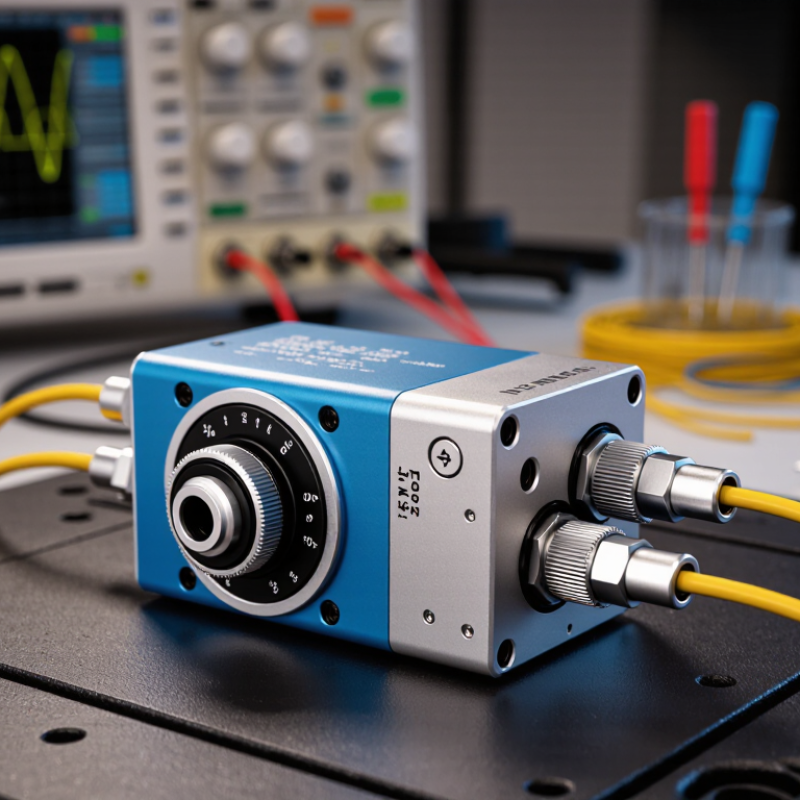
Table of Contents [Hide]
Understanding Optical Attenuators and Their Main Applications
An optical attenuator reduces light power without changing the signal path. It helps receivers operate within their safe input range. Fixed attenuators provide one stable loss value. Variable attenuators allow controlled adjustment during testing and commissioning. The correct choice depends on wavelength, attenuation range, connector type, and optical mode. Check insertion loss carefully. Extra loss can distort a tight power budget.
In telecommunications, attenuators balance channels and prevent receiver overload. Test engineers use them to simulate long fiber spans on a short bench. They also support transceiver measurements, sensor calibration, and laboratory fault checks. Return loss matters when reflections may disturb sensitive equipment. Power handling matters too. A device rated for low power may fail in a high-power link. Polarization-dependent loss can also affect precision systems, especially during measurement.
Small details often decide performance. Clean every connector before testing. Confirm the operating wavelength, then verify the actual loss with a calibrated power meter. Match connector polish and fiber type. Consider temperature stability for outdoor or industrial installations. Check whether the attenuator supports the required adjustment resolution. Keep a spare adapter nearby. It helps.
A practical mistake is choosing attenuation from a nominal power value alone. Real transmitters fluctuate, connectors age, and meters have uncertainty. I have seen a suitable attenuator perform poorly because a connector was contaminated. That result was inconvenient, but useful.
Recheck the entire link, not only the component. A final inspection of power, reflection, and stability usually reveals the real problem.