-
PRODUCTS & SERVICESOptimized cooling solutions for modern data centersProducts & ServicesOptimized cooling solutions for modern data centers
-
CAPABILITIESAdvancing liquid cooling technologiesCapabilitiesAdvancing liquid cooling technologies
-
TechnologiesLiquid Cooling InnovationTechnologiesLiquid Cooling Innovation
-
RESOURCESLatest News & InformationResourcesLatest News & Information
-
ABOUTOur history, leadership and ownershipAboutOur history, leadership and ownership
-
CONTACTFacility locations and global operational footprint







10 Spy Camera Detector Tips for Global Buyers?
Hidden cameras are no longer limited to dramatic television scenes. They can appear inside smoke alarms, USB chargers, wall clocks, or unfamiliar electronic displays. For global travelers, renters, and business professionals, a Spy Camera Detector can provide an additional layer of privacy awareness. It should not replace careful observation, secure accommodation choices, or local privacy guidance.
Industry data shows why this topic deserves practical attention. Grand View Research reports that the global video surveillance market continues to expand rapidly, driven by connected cameras and smart monitoring systems. That growth supports safety, but it also increases the number of small imaging devices in everyday environments. Verizon’s 2024 Data Breach Investigations Report found that the human element remained involved in 68% of breaches. The report focuses on digital security, not hidden cameras, yet it highlights a useful lesson: technology works best when people remain alert.
This guide presents ten Spy Camera Detector tips for buyers comparing products across regions. It examines lens detection, infrared scanning, radio-frequency sensing, false alarms, battery life, and testing methods. A bright reflection near a television may be a lens, but it may also be glass or polished plastic. Not every signal indicates surveillance. That uncertainty matters. Buyers should check product specifications, certification claims, return policies, and privacy practices before purchasing. Independent testing is often limited, and some marketing language sounds more certain than the evidence allows. Use these tips as a careful starting point, not a guarantee of complete protection.
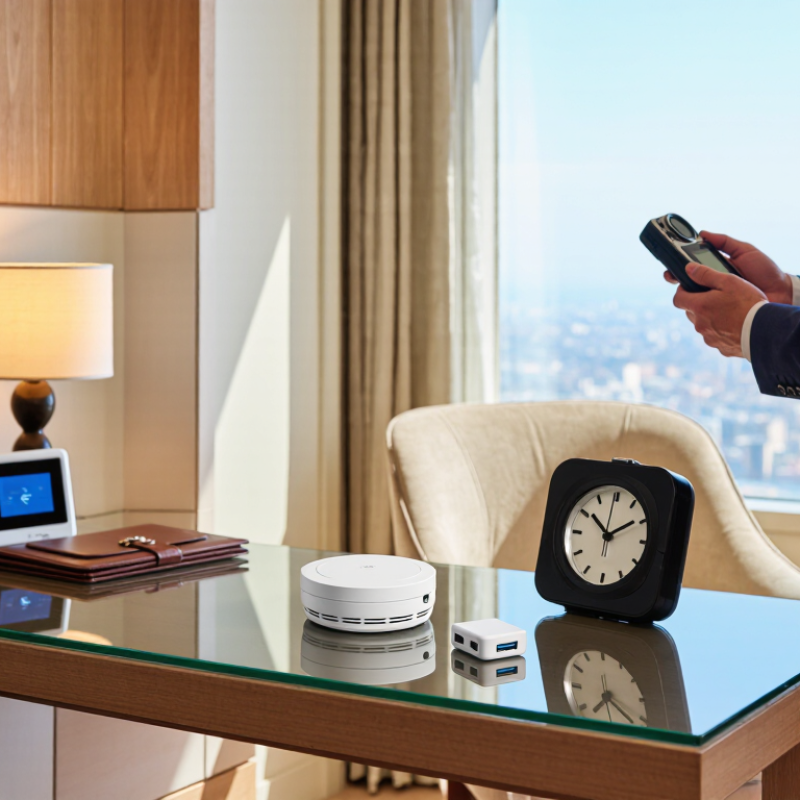
Table of Contents [Hide]
Understanding How Spy Camera Detectors Work
10 Spy Camera Detector Tips for Global Buyers
Understanding How Spy Camera Detectors Work
A spy camera detector usually uses radio frequency sensing, optical reflection, or both. RF sensors identify wireless signals from nearby transmitting devices. They may react to routers, phones, speakers, or other electronics. This creates false alarms in busy hotel rooms.
Turn off unnecessary devices before testing. Then move slowly around lamps, vents, smoke alarms, and wall decorations.
Optical detectors work differently. Small LEDs shine light toward suspicious surfaces. A camera lens can return a sharp, bright reflection through the detector’s viewing filter. Dim the room and check from several angles.
A tiny blue or white glint deserves closer inspection. However, dust, glass, and polished metal can reflect light too. The result is not proof.
Wired cameras may transmit no radio signal. Some compact devices also remain inactive until motion occurs. A careful inspection should combine detector readings with visual checks.
Look for unusual holes, loose panels, fresh screws, or objects facing beds and desks. Read the detector’s sensitivity instructions carefully. Excessive sensitivity can confuse judgment.
In practical testing, users often scan too quickly and miss corners. Slow work is less impressive, but usually more reliable.
Test the device in a controlled room before international travel. Battery limits, unfamiliar plugs, and local privacy rules also require attention.