-
PRODUCTS & SERVICESOptimized cooling solutions for modern data centersProducts & ServicesOptimized cooling solutions for modern data centers
-
CAPABILITIESAdvancing liquid cooling technologiesCapabilitiesAdvancing liquid cooling technologies
-
TechnologiesLiquid Cooling InnovationTechnologiesLiquid Cooling Innovation
-
RESOURCESLatest News & InformationResourcesLatest News & Information
-
ABOUTOur history, leadership and ownershipAboutOur history, leadership and ownership
-
CONTACTFacility locations and global operational footprint




Si-TPV 3521-70A Enables Next-Gen AI Wearables and Smart Consumer Electronics with Soft-Touch Overmolding and Sustainable Thermoplastic Elastomer Technology
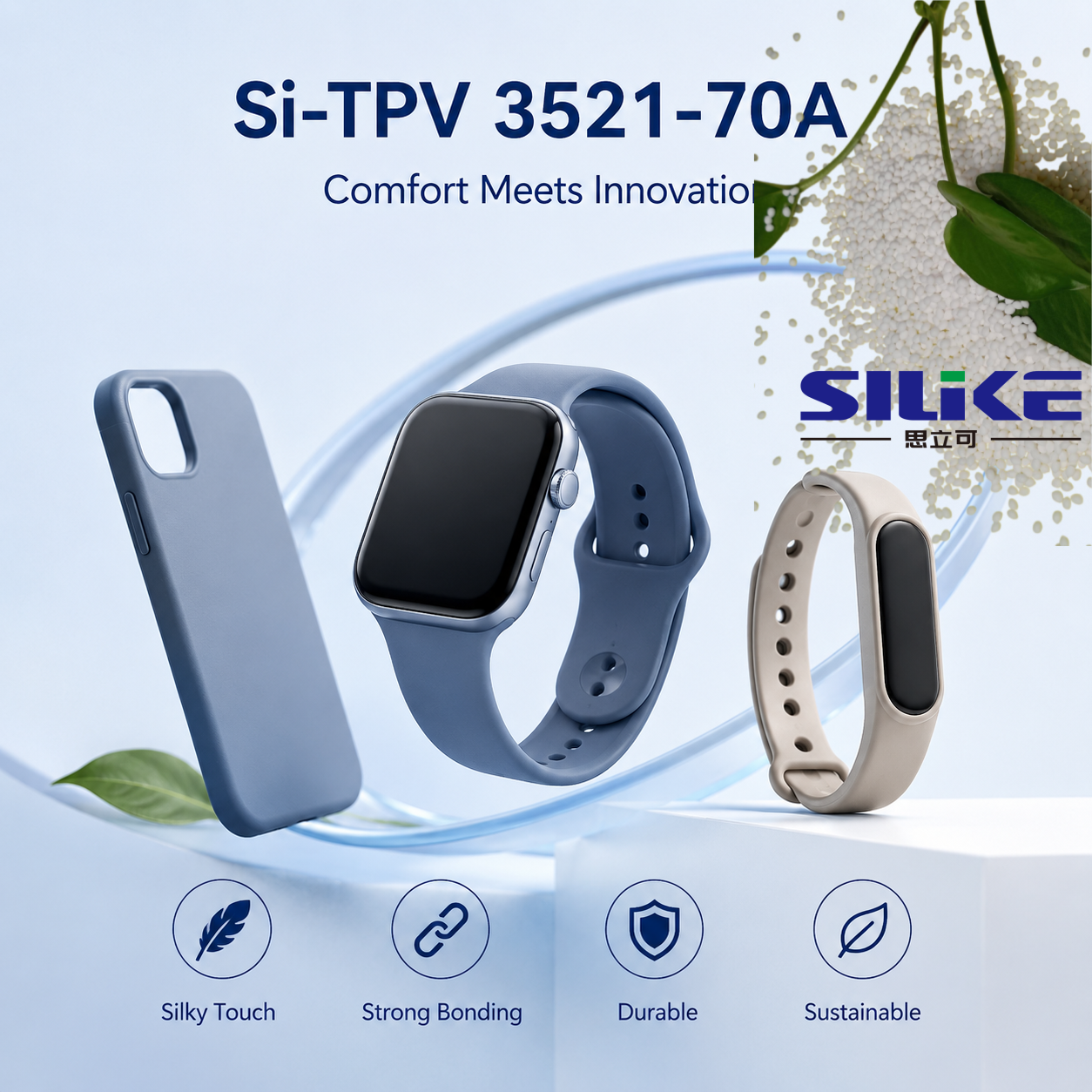
How Si-TPV 3521-70A Supports the Evolution of Premium Consumer Electronics
The wearable technology industry is entering a new phase of development. While earlier generations of devices competed primarily through sensor accuracy and feature density, today's market increasingly rewards products that users can comfortably wear all day.
Recent industry developments reflect this shift. Google recently introduced Fitbit Air, a lightweight screenless wearable designed to be “comfortable enough to wear 24/7,” highlighting the growing importance of unobtrusive user experiences (TechCrunch, 2026). Meanwhile, reports from The Wall Street Journal indicate that the premium health wearables market continues to expand, driven by increasing consumer demand for comfort, simplicity, and all-day wearability (WSJ, 2026).
As hardware innovation advances, material selection is becoming an increasingly important factor in defining the user experience.
The Hidden Challenge Behind Premium Wearable Design
For manufacturers of smartwatches, fitness trackers, and portable electronic accessories, delivering a high-end tactile experience often presents several material-related challenges.
Traditional TPU materials may provide flexibility and processability but can sometimes exhibit a sticky feel after prolonged exposure to sweat, skin oils, and repeated handling.
Liquid silicone rubber (LSR), while valued for its softness, can involve more complex manufacturing processes and specialized equipment requirements.
In addition, maintaining reliable adhesion between soft-touch components and rigid engineering plastics such as PC and ABS remains an important consideration in multi-material product design.
As consumers increasingly expect wearable products to combine comfort, aesthetics, durability, and convenience, material innovation is playing a more strategic role in product differentiation.
Si-TPV 3521-70A: Designed for Next-Generation Consumer Electronics
Si-TPV 3521-70A is a dynamic vulcanized thermoplastic silicone-based elastomer developed specifically for soft-touch overmolding applications in premium consumer electronics.
Engineered to combine the advantages of thermoplastic processing with silicone-like comfort, the material offers manufacturers an opportunity to enhance the sensory experience of wearable and handheld devices.
One of its defining characteristics is a silky, skin-friendly surface feel that is designed to remain pleasant during prolonged use without requiring additional coatings or secondary surface treatments.
For products intended to remain in close contact with the skin throughout the day, this attribute may contribute to improved long-term user satisfaction.
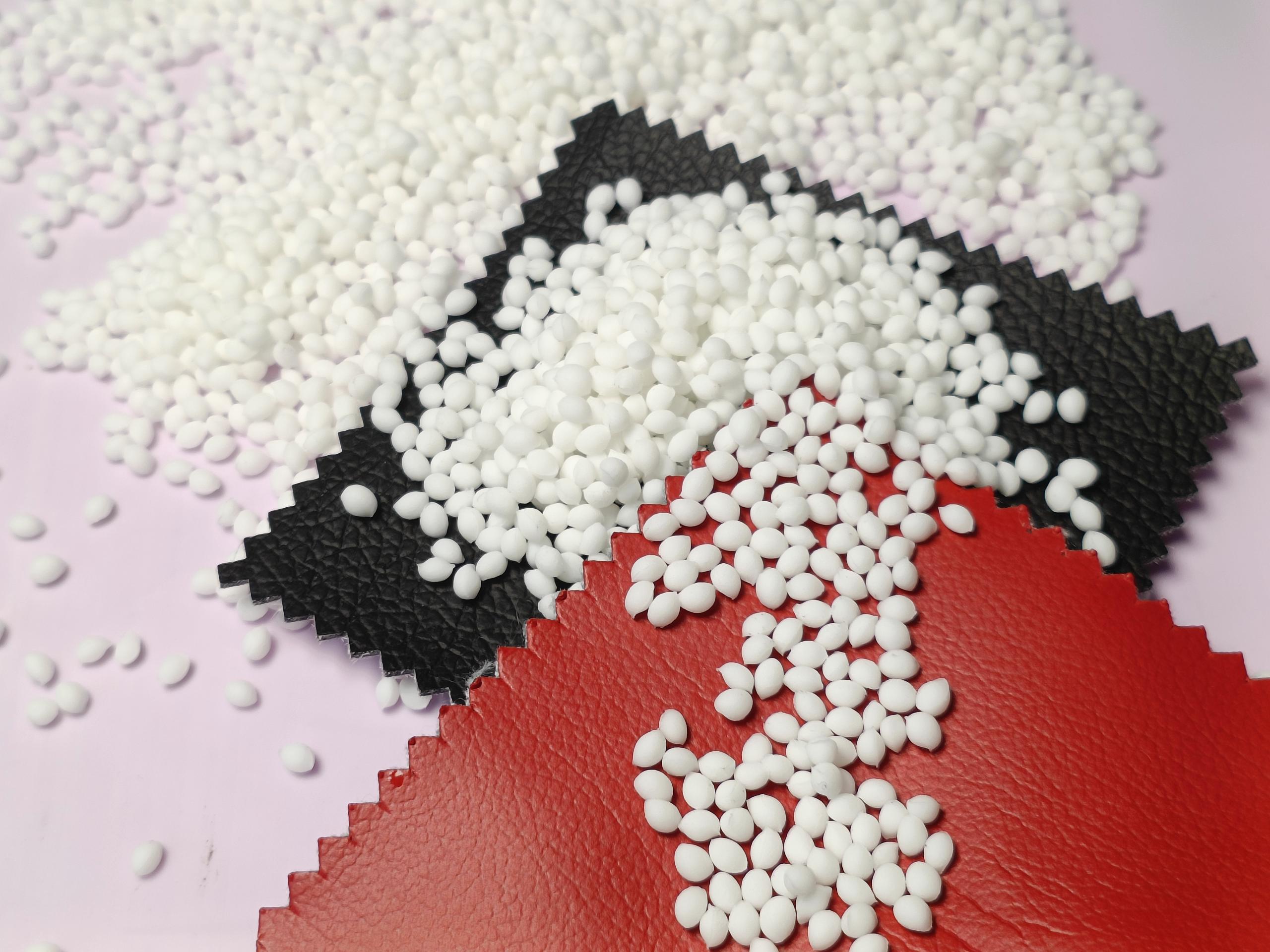
Engineered to Balance Softness, Strength, and Reliable Integration
As consumer electronics continue to evolve toward slimmer profiles and more ergonomic designs, manufacturers are increasingly combining rigid engineering plastics with soft-touch materials to achieve both structural stability and a premium user experience. In these multi-material constructions, maintaining reliable bonding performance without sacrificing comfort can become a key design consideration.
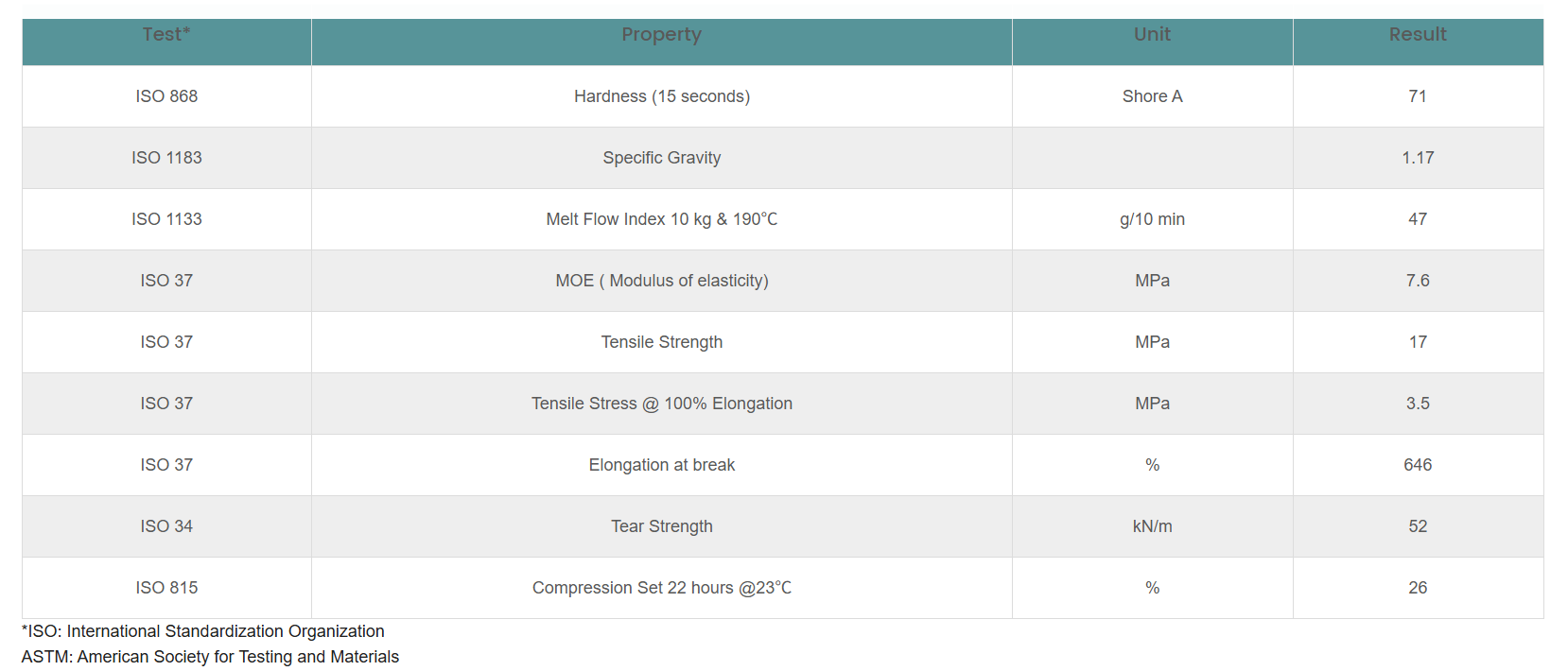
Si-TPV 3521-70A is developed with this challenge in mind. Designed to exhibit favorable adhesion characteristics with commonly used substrates such as PC, ABS, TPU, PMMA, and certain PA systems, the material may support more stable overmolding processes while helping reduce concerns related to edge lifting or interface separation during long-term use. At the same time, its mechanical profile suggests a balance between flexibility and durability. With a Shore A hardness of 71, tensile strength of 17 MPa, elongation at break of 646%, and tear strength reaching 52 kN/m, Si-TPV 3521-70A is engineered to withstand repeated bending, stretching, and handling without easily compromising structural integrity. A compression set value of 26% (23°C × 22 h) further indicates its ability to retain shape after prolonged deformation, an important consideration for products designed for frequent daily contact.
Beyond its mechanical properties, the material is also designed to provide resistance to scratches, stains, ultraviolet exposure, and moisture. These characteristics may contribute to maintaining both the appearance and tactile quality of finished products in environments involving perspiration, friction, and outdoor exposure.
Supporting the Next Generation of Consumer Electronics
The competitive landscape for wearable and portable electronics is shifting. Consumers increasingly expect devices to do more than deliver advanced functionality; they are also seeking products that feel comfortable throughout the day, maintain an attractive appearance over time, and seamlessly integrate into their lifestyles.
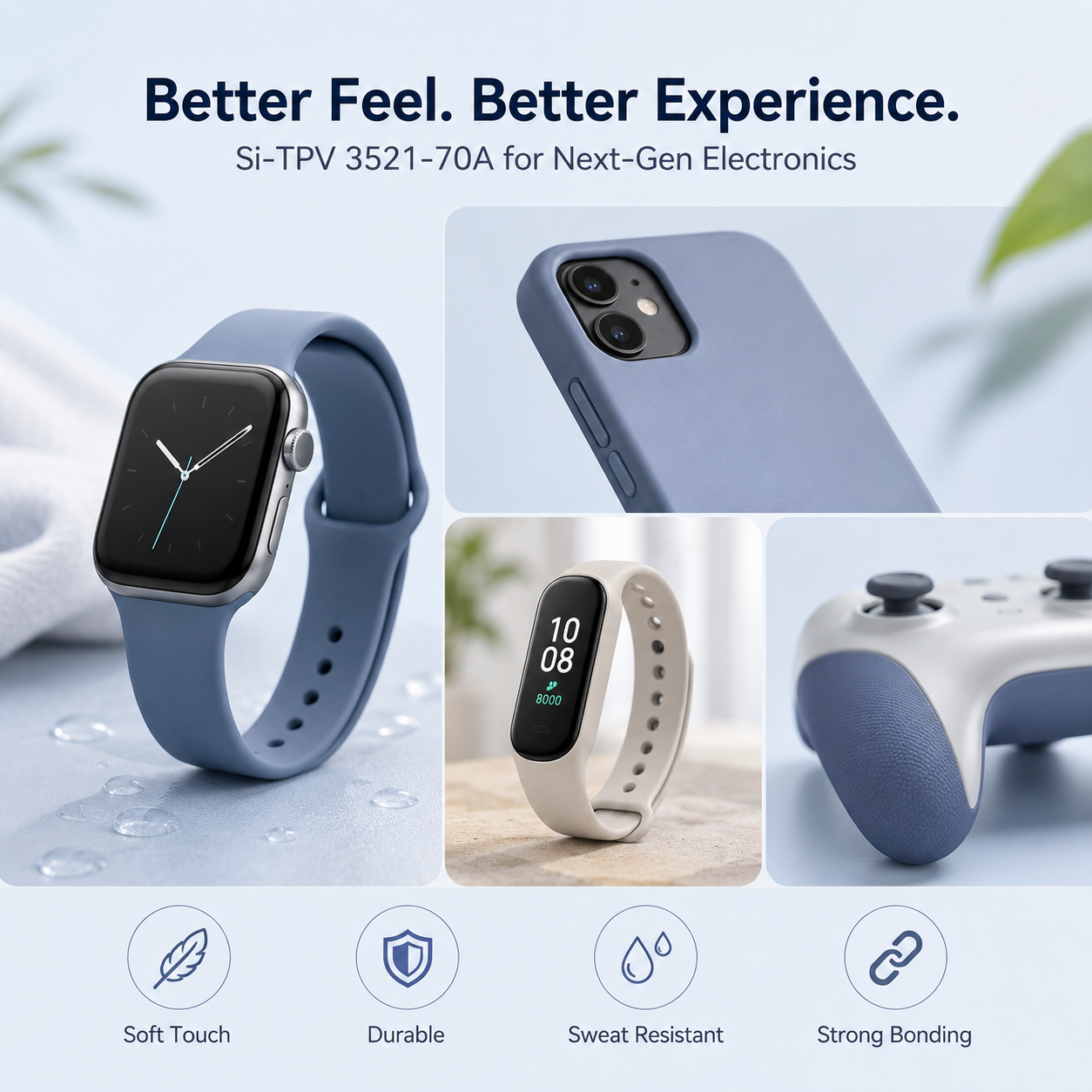
In practical applications, these expectations place significant demands on material performance. Smartwatch wristbands and fitness tracker straps, for example, must remain comfortable against the skin during extended wear while resisting sweat, repeated flexing, and daily abrasion. Smartphone protective cases and portable electronic housings require soft-touch surfaces that enhance grip and perceived quality without compromising durability. Similarly, gaming accessory grips and premium wearable accessories benefit from materials capable of providing a refined tactile experience alongside reliable structural performance.
By combining skin-friendly softness with favorable overmolding compatibility and balanced mechanical properties, Si-TPV 3521-70A may offer designers greater flexibility when developing next-generation consumer products. Rather than functioning solely as a protective material, it has the potential to become part of the overall user experience, helping brands create devices that not only perform well technologically but also deliver lasting comfort and emotional appeal in everyday use.
Looking Ahead
As AI-powered health tracking, minimalist wearables, and always-on connected devices continue to evolve, expectations surrounding material performance are likely to rise alongside technological capabilities.
The next breakthrough in consumer electronics may not come solely from what devices can do, but also from how they feel in users' hands and against their skin.
By combining thermoplastic processing efficiency with long-lasting soft-touch performance and reliable overmolding compatibility, Si-TPV 3521-70A may support manufacturers in creating the next generation of premium consumer electronic products designed not only for intelligence, but also for comfort.
Contact
SILIKE Silicone Materials Team
Website: https://www.si-tpv.com/
Email: [email protected]
Inquiry: Available via official website contact form