-
PRODUCTS & SERVICESOptimized cooling solutions for modern data centersProducts & ServicesOptimized cooling solutions for modern data centers
-
CAPABILITIESAdvancing liquid cooling technologiesCapabilitiesAdvancing liquid cooling technologies
-
TechnologiesLiquid Cooling InnovationTechnologiesLiquid Cooling Innovation
-
RESOURCESLatest News & InformationResourcesLatest News & Information
-
ABOUTOur history, leadership and ownershipAboutOur history, leadership and ownership
-
CONTACTFacility locations and global operational footprint







What Is the National Development and Reform Commission?
The National Development and Reform Commission is China’s main agency for macroeconomic planning and structural coordination. It operates under the State Council and helps translate national strategies into investment priorities, regional policies, energy plans, and price guidelines. Its role is broader than a conventional economic ministry. It connects long-term planning with practical decisions, such as railway construction, clean-energy development, and major industrial projects.
Its importance becomes clearer through external data. The National Bureau of Statistics reported that China’s economy grew by 5.2% in 2023, reaching approximately RMB 126.1 trillion. The World Bank’s China Economic Update, published in December 2023, also identified domestic demand, property-sector weakness, and local-government finance as important economic pressures. These conditions show why coordination matters. The National Development and Reform Commission must balance growth targets with debt risks, energy security, technological upgrading, and regional inequality.
The commission also supports China’s Five-Year Plan system. The 14th Five-Year Plan emphasizes innovation, manufacturing strength, carbon reduction, and resilient supply chains. The International Energy Agency has documented China’s leading position in solar, wind, and electric-vehicle manufacturing. Those trends reflect industrial policies involving multiple government bodies, including the commission. Still, its influence should not be overstated. It cannot independently control every market outcome. Implementation often depends on ministries, provinces, state-owned enterprises, and private firms. That is the complicated part. Understanding this institution requires reading plans alongside budgets, statistical releases, and policy results. This approach offers a more reliable view than treating the commission as China’s sole economic decision-maker.
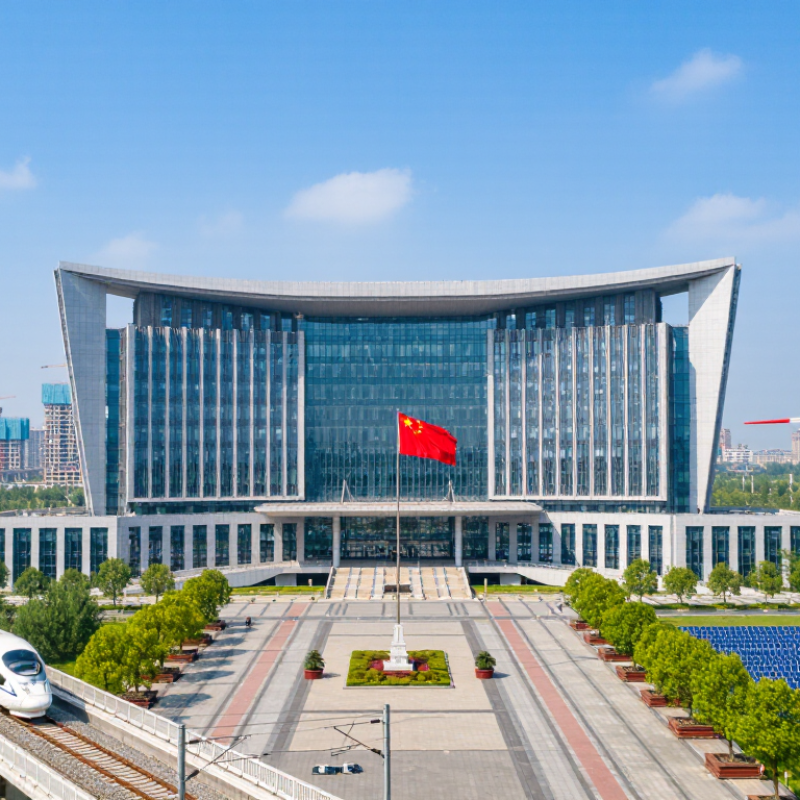
Table of Contents [Hide]
Historical Origins and Institutional Development
The National Development and Reform Commission grew from China’s State Planning Commission, established in 1952. Its early work focused on production targets, material allocation, and national investment plans. Planning was highly centralized. Decisions often began with quotas on paper and ended with physical shortages or delays.
A major institutional shift followed the 1978 economic reforms. The commission gradually moved from direct allocation toward macroeconomic coordination, industrial policy, and long-term development planning. In 1998, it became the State Development Planning Commission. In 2003, it was reorganized as the National Development and Reform Commission, combining broader responsibilities for investment, pricing, regional policy, and structural reform. This change reflected a more complex economy.
The pressure was enormous. The World Bank’s China 2030 report records nearly 10% average annual growth from 1978 to 2010. Urbanization also rose from about 18% in 1978 to more than 50% by 2011. These figures explain why institutional flexibility became necessary. Yet growth created new problems, including uneven regional development, excess industrial capacity, and heavier resource demand. The OECD Economic Survey of China 2022 highlights weaker productivity growth and demographic pressure as continuing challenges. The commission’s evolution was therefore practical, not perfectly designed. Some policies still appear reactive. That weakness deserves closer examination.