-
PRODUCTS & SERVICESOptimized cooling solutions for modern data centersProducts & ServicesOptimized cooling solutions for modern data centers
-
CAPABILITIESAdvancing liquid cooling technologiesCapabilitiesAdvancing liquid cooling technologies
-
TechnologiesLiquid Cooling InnovationTechnologiesLiquid Cooling Innovation
-
RESOURCESLatest News & InformationResourcesLatest News & Information
-
ABOUTOur history, leadership and ownershipAboutOur history, leadership and ownership
-
CONTACTFacility locations and global operational footprint

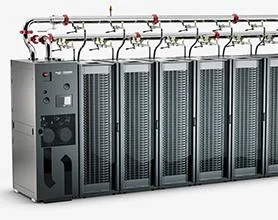





How to Choose an Aluminum Furnace for Your Business?
Choosing an aluminum furnace is a production decision, not merely an equipment purchase. The right system affects melt quality, energy use, maintenance, safety, and delivery schedules. A furnace that looks efficient on paper may perform poorly with wet scrap, inconsistent charge sizes, or frequent alloy changes. The choice matters.
Industry data supports a careful approach. The International Aluminium Institute reports that recycled aluminum requires about 5% of the energy used for primary aluminum production. This makes scrap melting attractive, but furnace design still controls actual savings. The U.S. Department of Energy identifies process heating as a major industrial energy demand. Therefore, burner efficiency, insulation quality, exhaust recovery, and standby losses deserve close attention. A few unnecessary furnace hours can quietly increase operating costs.
Capacity should match real production, not optimistic forecasts. A small foundry may need a 500-kilogram batch furnace, while a high-volume plant may require continuous melting equipment. Consider alloy temperature, holding time, charge material, loading method, and available floor space. Operators should also examine temperature uniformity, metal oxidation, dross generation, controls, and spare-part access. Safety requirements should align with standards such as NFPA 86 and EN 746-2, where applicable.
No spreadsheet captures every shop-floor surprise. I may overemphasize energy figures if maintenance conditions are ignored. Ask suppliers for measured fuel consumption, thermal uniformity results, reference installations, and service response times. Compare total ownership cost over several years. The cheapest aluminum furnace may become the most expensive asset when downtime begins.
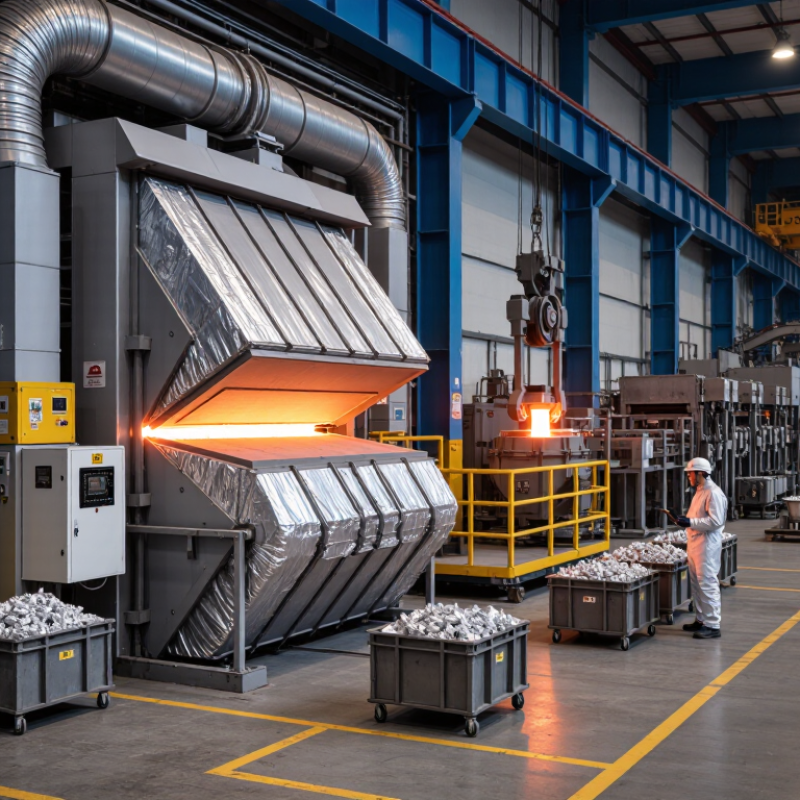
Table of Contents [Hide]
Define Your Aluminum Furnace Requirements and Production Goals
Before comparing furnace designs, define what the production line must actually deliver. Record the alloy grades, daily melt volume, batch size, target temperature, and pouring schedule. An aluminum casting shop making 500 kilograms per shift needs different capacity from a continuous operation. Include peak demand, not only the average. Write down available power, fuel, floor space, ventilation capacity, and lifting limits. These details expose constraints that brochures often hide.
Then connect furnace capacity to measurable production goals. Set an hourly melting rate, acceptable temperature variation, recovery time, and maximum holding period. Ask whether the furnace will melt clean returns, ingot, or mixed charge materials. Charge size affects cycle time, energy use, and metal quality. Specify temperature measurement methods and control accuracy before requesting quotations. A furnace that reaches temperature quickly may still fail if heat distribution is uneven. That difference matters near thin-wall castings.
Safety and operating discipline belong in the requirement list. Check access around the furnace, refractory inspection points, emergency isolation, guarding, and fume extraction. Confirm that the proposed installation can meet applicable workplace and environmental requirements. Maintenance planning also needs real numbers: expected refractory life, service intervals, spare parts, and technician training. Do not overstate precision. Production records may be incomplete, and early forecasts can be wrong. Build adjustable capacity where possible, then test assumptions through a small trial or process review.