-
PRODUCTS & SERVICESOptimized cooling solutions for modern data centersProducts & ServicesOptimized cooling solutions for modern data centers
-
CAPABILITIESAdvancing liquid cooling technologiesCapabilitiesAdvancing liquid cooling technologies
-
TechnologiesLiquid Cooling InnovationTechnologiesLiquid Cooling Innovation
-
RESOURCESLatest News & InformationResourcesLatest News & Information
-
ABOUTOur history, leadership and ownershipAboutOur history, leadership and ownership
-
CONTACTFacility locations and global operational footprint






How to Choose a Smart Lock Manhole Cover in 2026
Choosing a smart lock manhole cover in 2026 is about more than adding digital access to a heavy lid. A Manhole Cover With Smart Lock should fit the site’s traffic, weather, maintenance routine, and security needs. A cover beside a quiet utility path faces different demands from one beneath a busy road. That difference matters.
Start with the basics: load rating, material, corrosion resistance, locking mechanism, and installation requirements. Then examine how authorized staff unlock it, manage access, and receive alerts. Battery life is important, but so is what happens when power or network service fails. Ask for clear product specifications and maintenance guidance. If possible, test the system under realistic conditions, including gloves, rain, and weak signal. Small details matter.
Reliable selection also means checking how the cover integrates with existing infrastructure. Confirm dimensions, frame compatibility, and whether routine inspections can be completed without special delays. Review the supplier’s technical support and warranty terms, rather than relying on a feature list alone. Not always. A connected lock may not be the best choice for every location, especially where connectivity is unreliable or simple access control already works. Needs vary, and a neat specification sheet cannot predict every field condition. Use the criteria in this guide to compare options carefully, identify trade-offs, and choose a solution that remains practical after installation—not just impressive during a demonstration.
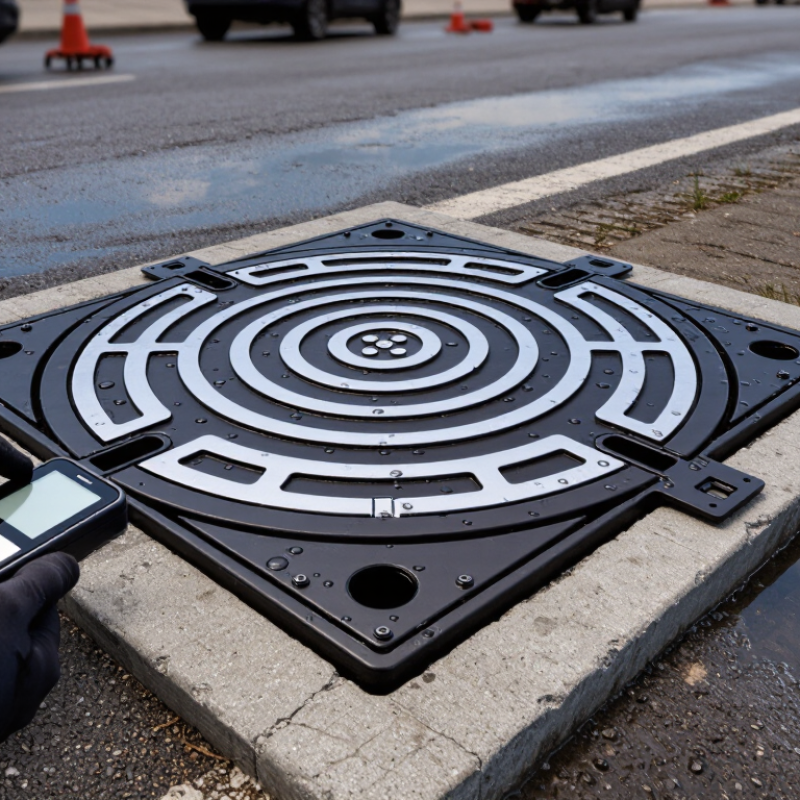
Table of Contents [Hide]
Understanding Smart Lock Manhole Covers and Their Applications
How to Choose a Smart Lock Manhole Cover in 2026
Understanding Smart Lock Manhole Covers and Their Applications
A smart lock manhole cover combines a load-bearing cover with an electronic access mechanism. Authorized workers may unlock it using a credential, keypad, or approved mobile device, depending on the system. Some models record access events or send alerts when a cover is opened. These features can help operators monitor remote utility chambers, drainage networks, and infrastructure sites. The lock does not replace a sound cover, secure installation, or regular inspection.
Applications differ. A connected cover may suit a site where access needs tracking, while a simpler mechanism may be more practical in areas with weak signals or limited maintenance support. Check the cover’s load rating, material, sealing, power requirements, and operating method against the actual location. A system that works well in a dry equipment yard may struggle in a wet, corrosive chamber. More technology is not always better. It is easy to overvalue alerts and overlook battery servicing or emergency access planning.
Tips: Ask who will manage credentials and replace batteries. Confirm how authorized crews can open the cover during a power or network outage. Review installation and inspection requirements with a qualified infrastructure professional. Small details matter. A clear maintenance plan can prevent a smart feature from becoming another point of failure.