-
PRODUCTS & SERVICESOptimized cooling solutions for modern data centersProducts & ServicesOptimized cooling solutions for modern data centers
-
CAPABILITIESAdvancing liquid cooling technologiesCapabilitiesAdvancing liquid cooling technologies
-
TechnologiesLiquid Cooling InnovationTechnologiesLiquid Cooling Innovation
-
RESOURCESLatest News & InformationResourcesLatest News & Information
-
ABOUTOur history, leadership and ownershipAboutOur history, leadership and ownership
-
CONTACTFacility locations and global operational footprint



What Is a Flat Laminating Machine and How Does It Work?
A Flat Laminating Machine bonds two or more flat materials into a stronger, cleaner, and more functional surface. It is widely used for printed boards, packaging panels, furniture components, insulation sheets, and industrial composites. The machine may appear straightforward. Its results depend on several controlled details.
In practice, an operator places the substrate and covering layer on a feed table. Rollers then guide both materials through the laminating section. Depending on the design, heat softens the adhesive while pressure removes air pockets and improves contact. Some machines use heated rollers, while others rely on cold pressure or pre-coated films. The finished panel usually passes through a cooling or flattening stage before inspection.
Small changes matter.
Temperature, roller pressure, speed, and adhesive thickness must match the material combination. Excessive heat can distort plastic films or damage printed surfaces. Insufficient pressure may leave bubbles, wrinkles, or weak edges. Experienced operators often test a small sample before full production, especially when materials have different expansion rates. That practical step can prevent costly waste.
A reliable explanation should also recognize the machine’s limits. No single setting works for every film, board, or adhesive. Manufacturer specifications provide a necessary starting point, but real production conditions still require adjustment. This guide explains how a Flat Laminating Machine works, what its main components do, and which operating factors influence bonding quality. Some applications remain less predictable than expected, so careful observation and documented testing are essential.
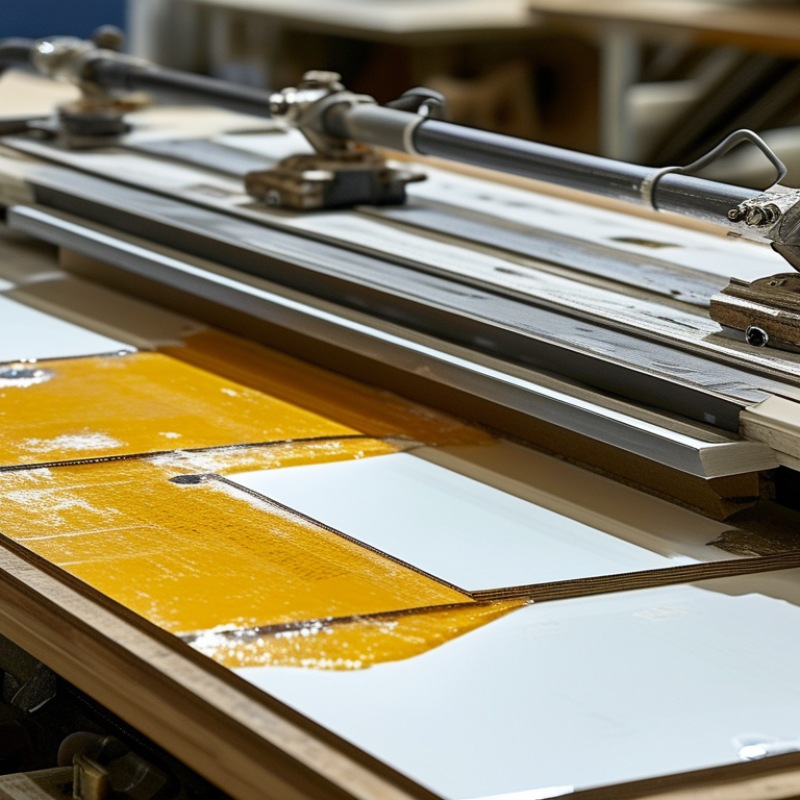
Table of Contents [Hide]
What Is a Flat Laminating Machine?
A flat laminating machine is equipment designed to bond a protective film or layer onto a flat surface.
It commonly handles paper, printed sheets, cards, boards, panels, and other smooth materials. The machine uses a level working table, pressure rollers, and controlled heat or adhesive. These parts help create a firm, even bond.
The operation is straightforward. An operator places the material on the table and aligns the laminating film above it. The machine then feeds both layers through heated or pressure-controlled rollers. Heat may soften the adhesive, while pressure removes small air pockets.
The finished sheet leaves with a smoother surface and better resistance to moisture, scratches, and handling. In practical production, alignment affects the result more than many beginners expect. A slight angle can create wrinkles or exposed edges. The process is not foolproof.
Flat laminators suit workshops, print departments, schools, and sign-making operations. Their flat format supports careful positioning before bonding. However, the correct temperature and pressure depend on material thickness and adhesive type. Excessive heat can distort thin sheets. Insufficient pressure can cause weak areas.
Tips:
Clean the surface before laminating. Remove dust and loose fibers. Test one sample first. Check the film direction carefully. Watch for bubbles near corners. Do not rush the feed speed. A small setup mistake may ruin an otherwise useful sheet.