-
PRODUCTS & SERVICESOptimized cooling solutions for modern data centersProducts & ServicesOptimized cooling solutions for modern data centers
-
CAPABILITIESAdvancing liquid cooling technologiesCapabilitiesAdvancing liquid cooling technologies
-
TechnologiesLiquid Cooling InnovationTechnologiesLiquid Cooling Innovation
-
RESOURCESLatest News & InformationResourcesLatest News & Information
-
ABOUTOur history, leadership and ownershipAboutOur history, leadership and ownership
-
CONTACTFacility locations and global operational footprint





How to Choose a Portable Gas Detector?
Choosing a Portable Gas Detector is not just a matter of comparing prices or counting sensors. The right device depends on the gases present, the worksite, and how workers will use it. A meter carried near a worker’s chest faces different conditions from one used in a damp utility vault. Dust, temperature changes, and short battery life can all affect daily use. Small details matter.
Safety researcher James Reason wrote, “We cannot change the human condition, but we can change the conditions under which humans work.” His principle, from Managing the Risks of Organizational Accidents, is not specific to gas detectors, but it is useful here. A well-chosen detector can support safer work; it cannot replace training, maintenance, or sound procedures. That distinction is easy to overlook.
This guide explains how to match a Portable Gas Detector to the hazards and tasks it must handle. It covers sensor types, alarm options, battery life, durability, calibration, and ease of use. Consider a clear display viewed through safety glasses, or an alarm heard over machinery. Those practical tests can reveal more than a specification sheet. No model fits every workplace. And a feature that looks essential on paper may be awkward in a gloved hand. The selection process can still leave uncertainty; equipment choices deserve review as work conditions change.
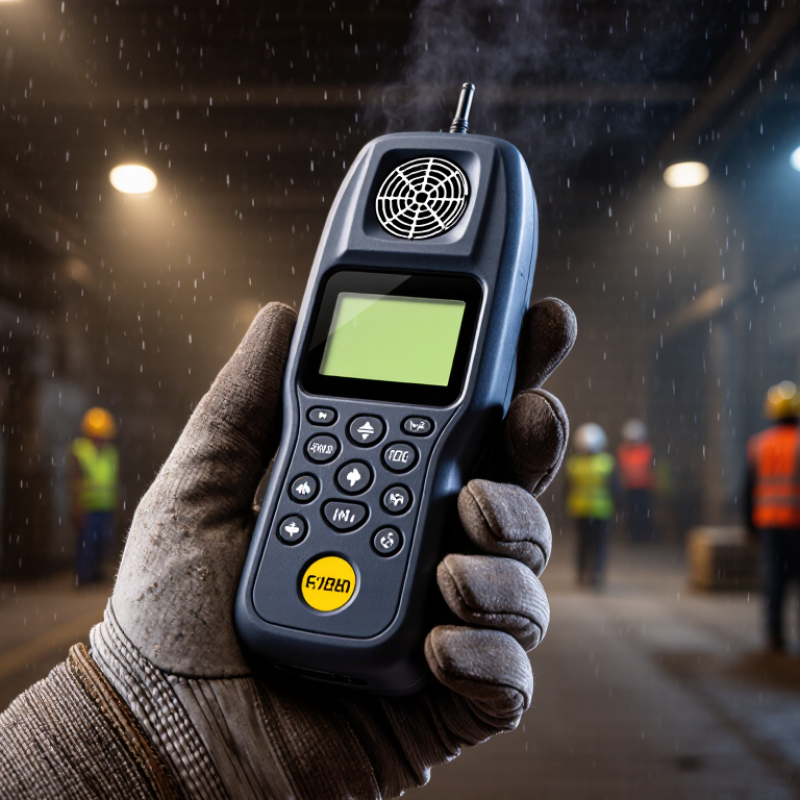
Table of Contents [Hide]
Identify the Hazards and Gases to Be Monitored
Before choosing a portable gas detector, list the gases that could actually be present. Review process chemicals, safety data sheets, nearby equipment, and the work task. A tank-cleaning job may involve oxygen deficiency, while a loading area could expose workers to fuel vapors. Carbon monoxide and hydrogen sulfide need different sensors. A “four-gas” configuration is not automatically right.
OSHA’s confined-spaces rule identifies oxygen below 19.5% or above 23.5% as hazardous, and flammable gas above 10% of its lower flammable limit as a hazard (29 CFR 1910.146). These are useful reference points, not universal clearance limits. Check local requirements and task-specific exposure limits. The NIOSH Pocket Guide provides gas-specific exposure and IDLH information for planning sensor ranges. Small details matter. Consider likely concentration, humidity, temperature, and cross-sensitivities; some sensors can respond to gases they were not meant to measure. It is easy to over-specify a detector, or to choose one because it is familiar. That assumption deserves a second look. Confirm the sensor matches the hazard, then verify calibration and bump-test procedures before work begins.