How to Choose the Best Fluid Cooling Technology for Your Needs?
Choosing the right fluid cooling technology is essential in various industries. According to a recent study by MarketsandMarkets, the global market for fluid cooling technologies is expected to reach $15 billion by 2025, growing at a CAGR of 10%. This growth highlights the significance of effective cooling solutions in environments where heat generation is critical, such as data centers and manufacturing plants.
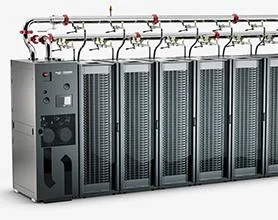
Fluid cooling technology encompasses various methods, including liquid cooling, immersion cooling, and evaporative cooling. Each method has its own advantages and challenges. For instance, liquid cooling systems can offer superior heat dissipation but may require complex maintenance. On the other hand, immersion cooling can drastically reduce energy usage, but it may not be feasible for all applications.
As industries continue to evolve, selecting the appropriate cooling technology becomes increasingly complex. Efficient heat management directly affects system performance and longevity. Therefore, stakeholders must closely analyze their specific needs and consider factors such as cost, efficiency, and reliability. Ultimately, an informed decision relies on comprehensive research and expert insights, ensuring that the chosen fluid cooling technology aligns with both current demands and future growth.
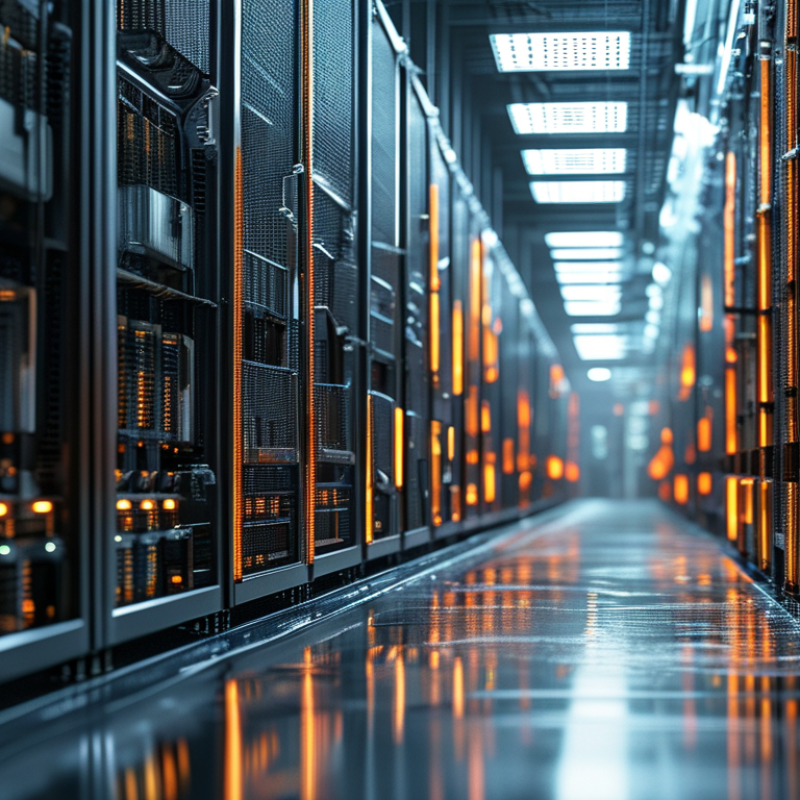
Understanding Fluid Cooling Technologies and Their Applications
Fluid cooling technologies play a crucial role in various applications, from industrial machinery to advanced computing systems. Understanding these technologies requires a clear grasp of their fundamental principles. Common types include liquid cooling, immersion cooling, and phase change cooling. Each of these methods offers distinct advantages based on specific requirements.
Liquid cooling is often preferred for its efficiency and effectiveness in transferring heat. It can manage high thermal loads more effectively than air cooling. Immersion cooling involves submerging components in a thermally conductive liquid. This method reduces the risk of overheating in high-performance equipment. However, it may require careful maintenance and design considerations. Phase change cooling leverages the transition from liquid to gas to absorb heat, potentially allowing for rapid cooling in critical systems.
Assessing your unique needs is vital. For instance, the choice between air and liquid cooling could hinge on space limitations and thermal performance. Many users might overlook the potential complexities involved. Not every cooling solution is a perfect fit; factors like noise level, maintenance needs, and cost should be considered. Ultimately, the right solution should align with your specific operational demands and technical constraints.
Evaluating the Efficiency of Different Cooling Methods
When evaluating fluid cooling technologies, efficiency is a crucial consideration. Different cooling methods include liquid cooling, evaporative cooling, and phase-change cooling. According to industry reports, liquid cooling can achieve a heat transfer efficiency of up to 95%. In contrast, air cooling systems often operate below 70% efficiency. This stark difference highlights the advantages of choosing the right method for specific applications.
One critical aspect of efficiency involves the thermal conductivity of the cooling medium. Water, for instance, has a thermal conductivity of 0.6 W/m·K, making it more effective than many oils or gases. However, water cooling systems can face challenges, such as evaporation losses and maintenance needs. In certain scenarios, alternative fluids may be necessary, but their performance may not meet the same efficiency standards.
Consider energy consumption when evaluating cooling methods. Some reports show that liquid cooling can reduce energy consumption by 30% compared to air-cooled systems. However, initial setup costs can be higher. It's essential to weigh long-term savings against short-term investment. Adapting cooling strategies to specific operational needs may require trial and error. Each approach has its unique drawbacks, requiring thorough analysis before implementation.
Key Factors to Consider When Choosing Cooling Systems
When selecting a fluid cooling system, several key factors must be evaluated. Start by assessing the specific cooling needs of your application. Different environments may require varying levels of cooling efficiency. Understand the power density and heat load of your equipment. This understanding helps determine the type of cooling technology most suited for your situation.
Materials also play a vital role in effectiveness and durability. Corrosion-resistant materials can enhance the lifespan of the system in harsh environments. Consider the coolant fluid as well; its thermal properties are crucial for efficient heat transfer. Some fluids may be more effective but also costly and resource-intensive.
Moreover, the layout of your installation can affect performance. Space constraints may limit your options. A cooling solution that works well in one setting might not fit another. Finally, consider maintenance requirements—simple systems may be easier to keep running. Always weigh the trade-offs between initial cost, efficiency, and long-term sustainability. Continuous improvement in this area is necessary to find the best fit.
Cost Analysis: Budgeting for Fluid Cooling Solutions
When budgeting for fluid cooling solutions, consider both upfront costs and long-term maintenance. Installation costs can vary significantly. Research price ranges for equipment and consider any additional components needed. Always account for labor costs, as professional installation can add to your budget.
Understanding operational efficiency is critical. Evaluate the energy consumption of different cooling options. Higher initial costs may lead to savings in energy bills over time. Look for technologies that offer better heat transfer properties. This will help reduce energy usage and improve system longevity.
Tips: It's crucial to compare multiple quotes from service providers. Don’t settle for the first option. You might find substantial cost differences. Also, consider future scalability. Select a system that can easily adapt to your growing needs. Reflect on your specific cooling requirements. Balancing costs and performance is essential for a sustainable solution.
Future Trends in Fluid Cooling Technology and Innovations
Fluid cooling technology is evolving rapidly, driven by the need for efficient thermal management in high-performance applications. Current trends highlight the rise of liquid cooling solutions, particularly in data centers, which consume about 3% of global electricity. Innovative techniques like two-phase cooling and immersion cooling are gaining traction. These methods can increase heat transfer efficiency, reduce carbon footprints, and lower operating costs.
Recent reports indicate that the market for fluid cooling technologies is expected to grow by over 20% annually. As industries prioritize energy efficiency, adopting cutting-edge cooling systems has become essential. Immersion cooling, for example, offers a significant reduction in energy consumption by eliminating fans and air conditioning requirements. This innovation reflects a broader commitment to sustainability. Nonetheless, these advanced systems may face integration challenges with existing infrastructure and require upfront investments that some organizations might hesitate to make.
When considering fluid cooling technologies, focus on scalability. Ensure the system can adapt as your needs grow. Assess the total cost of ownership, not just the initial purchase price. Long-term savings may outweigh upfront costs, especially when the system efficiently manages rising thermal loads. Always evaluate the technology based on its specific application and future requirements to maximize performance and reliability.