-
PRODUCTS & SERVICESOptimized cooling solutions for modern data centersProducts & ServicesOptimized cooling solutions for modern data centers
-
CAPABILITIESAdvancing liquid cooling technologiesCapabilitiesAdvancing liquid cooling technologies
-
TechnologiesLiquid Cooling InnovationTechnologiesLiquid Cooling Innovation
-
RESOURCESLatest News & InformationResourcesLatest News & Information
-
ABOUTOur history, leadership and ownershipAboutOur history, leadership and ownership
-
CONTACTFacility locations and global operational footprint

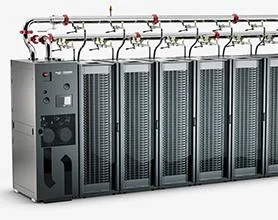





How to Choose the Best Air Heat Exchanger?
Choosing the right Air Heat Exchanger is not simply a matter of comparing catalog prices. The best option must match your building, climate, airflow, and operating schedule. A unit designed for a clean office may struggle in a dusty workshop. That difference matters.
Start with real operating conditions. Measure supply and exhaust airflow, temperature ranges, humidity, and available installation space. Check the pressure drop, because an efficient exchanger can still increase fan energy. At a rooftop installation, wind, rain, and freezing temperatures also affect performance. Small details often become expensive problems.
Look closely at the core material and construction. Aluminum, polymer, and treated surfaces offer different advantages for corrosion resistance, cleaning, and durability. Ask manufacturers for tested efficiency data, sound levels, operating limits, and maintenance instructions. Independent test reports and recognized certifications provide stronger evidence than promotional claims. Request performance data at conditions close to your project, not only ideal laboratory points.
Maintenance deserves equal attention. Can technicians remove filters safely? Is the core accessible without dismantling the ductwork? A clogged filter may reduce airflow and quietly damage expected savings. Condensation management also matters in humid climates. Poor drainage can create odors, corrosion, or indoor air quality concerns.
No selection is perfect. A higher recovery rate may bring greater pressure loss or a higher purchase price. The cheapest unit may cost more through energy use and service calls. Recheck every assumption before approval. A reliable decision balances performance, safety, lifecycle cost, and practical maintenance. When comparing an Air Heat Exchanger, documented evidence should guide the choice, not attractive numbers alone.
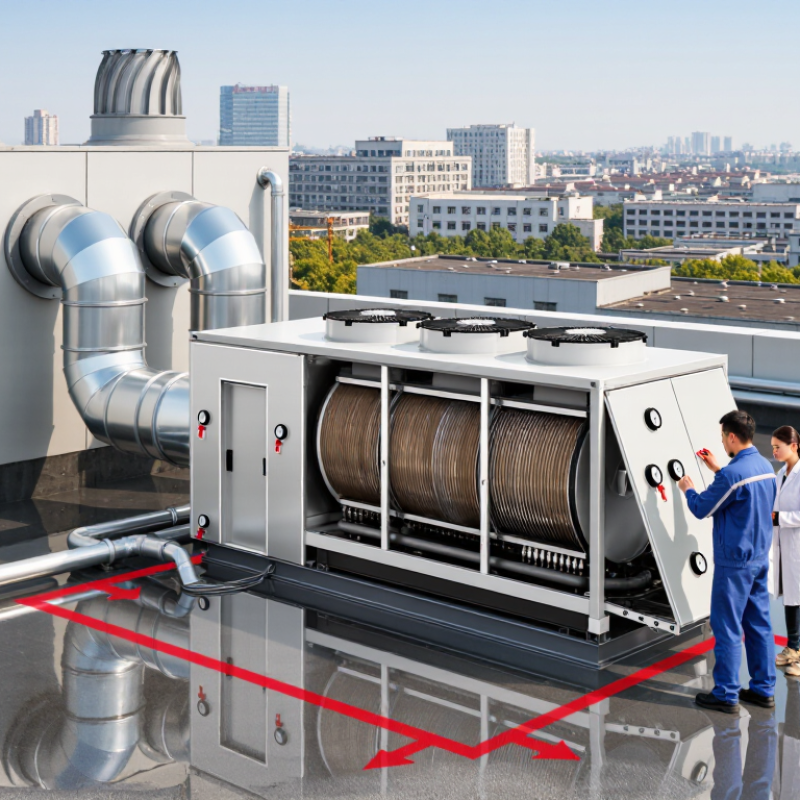
Table of Contents [Hide]
Define Air Heat Exchanger Types and Their Working Principles
How to Choose the Best Air Heat Exchanger?
An air heat exchanger transfers thermal energy between air streams or between air and a fluid. Choosing one starts with its airflow arrangement, not its casing. Plate heat exchangers guide supply and exhaust air through separate channels. Thin plates conduct heat while preventing direct mixing. The streams stay separate. They suit ventilation systems that need simple operation and modest maintenance.
Rotary heat exchangers use a slowly turning wheel filled with heat-storing material. One half absorbs heat, then releases it into the opposite airstream. Some designs also transfer moisture. This improves winter comfort but may allow limited cross-contamination. Heat-pipe exchangers use sealed tubes containing a working fluid. The fluid evaporates on the warm side and condenses on the cool side. No mechanical rotation is needed. They work well where airflow paths must remain isolated.
Finned coil exchangers transfer heat between air and water or refrigerant. Their performance depends on coil area, fluid temperature, airflow speed, and fin cleanliness. In practical equipment reviews, I have seen a theoretically efficient exchanger underperform because filters were neglected. Maintenance changes the answer. I once focused too heavily on rated efficiency and overlooked pressure drop. That mistake increased fan energy and operating noise. Reality is less tidy. Compare sensible and latent recovery, leakage risk, cleaning access, frost control, and measured airflow before selecting the suitable type.