-
PRODUCTS & SERVICESOptimized cooling solutions for modern data centersProducts & ServicesOptimized cooling solutions for modern data centers
-
CAPABILITIESAdvancing liquid cooling technologiesCapabilitiesAdvancing liquid cooling technologies
-
TechnologiesLiquid Cooling InnovationTechnologiesLiquid Cooling Innovation
-
RESOURCESLatest News & InformationResourcesLatest News & Information
-
ABOUTOur history, leadership and ownershipAboutOur history, leadership and ownership
-
CONTACTFacility locations and global operational footprint




How to Choose Hybrid Energy Storage Solutions in 2026?
Choosing the right Hybrid Energy Storage Solutions is no longer a simple battery comparison. In 2026, energy buyers must balance cost, resilience, safety, and future expansion. These systems combine different storage technologies, such as lithium-ion batteries, flow batteries, or thermal storage. Each option behaves differently under heat, rapid cycling, and changing electricity prices. The right design must match the site, not just the product brochure. Start with reality.
A credible evaluation begins with measured energy demand and documented operating conditions. Engineers should compare round-trip efficiency, usable capacity, response time, degradation, and maintenance requirements. Site measurements matter more than assumptions. A warehouse may need short, frequent discharge cycles. A rural clinic may value backup duration above peak efficiency. Small details matter. Certified installers should verify electrical protection, ventilation, fire safety, and grid-interconnection requirements. Manufacturer warranties and independent test reports can strengthen confidence, but they require careful reading.
This guide examines how to select Hybrid Energy Storage Solutions using practical and evidence-based criteria. It considers project goals, technology compatibility, lifecycle costs, software controls, and supplier reliability. No single chemistry fits every application. That sounds obvious. Yet buyers sometimes prioritize the lowest purchase price and overlook replacement schedules or thermal management. Some assumptions may fail when real demand changes. We acknowledge that uncertainty instead of hiding it. Readers should challenge performance claims, request site-specific calculations, and consult qualified professionals. Good storage decisions come from transparent data, field experience, and disciplined review.
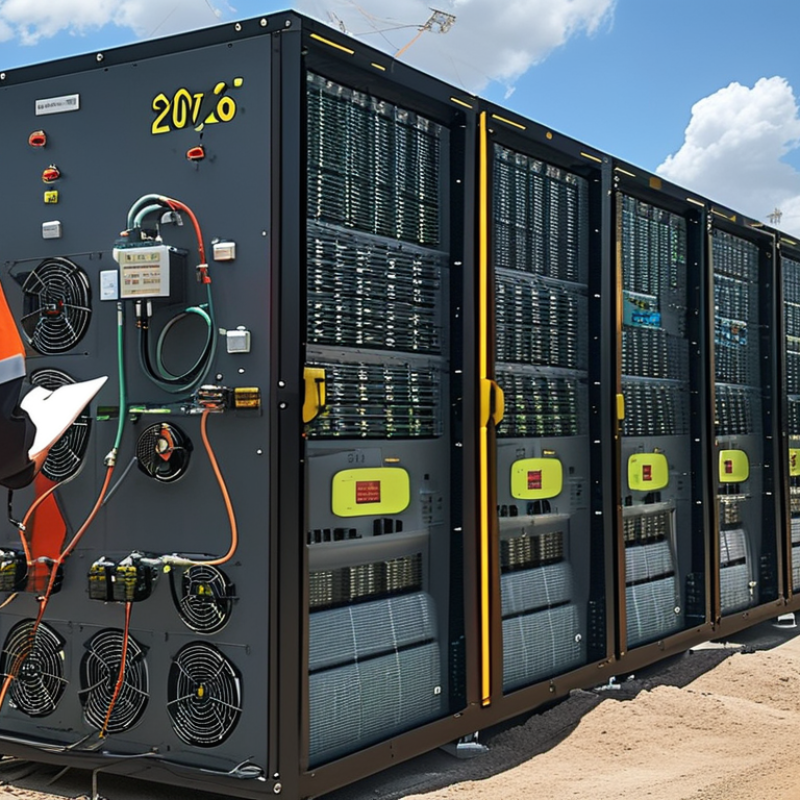
Table of Contents [Hide]
What Hybrid Energy Storage Solutions Are and How They Work
Hybrid energy storage solutions combine two or more storage technologies in one coordinated system. A lithium battery can respond within milliseconds, handling sudden power changes and short peaks. A flow battery, thermal store, or hydrogen system can support longer periods. Together, they balance speed, capacity, cost, and system life.
A site controller decides which storage unit should operate. During a cloudy afternoon, the battery may smooth solar output every few seconds. The longer-duration unit can then supply energy after sunset. Sensors track temperature, charge levels, electricity prices, and demand. Field assessments often show that control software matters as much as hardware. A well-sized system can still perform poorly with weak monitoring or unclear operating limits. That is an uncomfortable detail, but it deserves attention.
Tips: Map your load in fifteen-minute intervals. Separate brief peaks from overnight demand. Check round-trip efficiency, response time, safety controls, maintenance access, and replacement schedules. Ask for measured performance data, not only projected figures. Leave room for uncertainty; weather, tariffs, and equipment aging rarely follow a perfect model.
When choosing a solution in 2026, compare the storage mix with your actual operating pattern. Batteries may suit fast cycling, while thermal or chemical storage may support longer discharge periods. Modular designs can reduce future disruption. However, adding technologies also increases control complexity. A pilot installation can reveal unexpected losses, noise, heat, or space requirements before full deployment. The best choice is not always the most advanced one.