-
PRODUCTS & SERVICESOptimized cooling solutions for modern data centersProducts & ServicesOptimized cooling solutions for modern data centers
-
CAPABILITIESAdvancing liquid cooling technologiesCapabilitiesAdvancing liquid cooling technologies
-
TechnologiesLiquid Cooling InnovationTechnologiesLiquid Cooling Innovation
-
RESOURCESLatest News & InformationResourcesLatest News & Information
-
ABOUTOur history, leadership and ownershipAboutOur history, leadership and ownership
-
CONTACTFacility locations and global operational footprint




What Are China Top Rapid EV Charger Manufacturers?
China has become a major force in electric vehicle charging equipment, especially for high-power public charging networks. Its manufacturers serve highways, urban parking areas, dealerships, fleet depots, and commercial facilities worldwide. This article examines China’s top Rapid Ev Charger manufacturers through practical and verifiable criteria, rather than relying only on brand popularity.
The evaluation considers charging power, connector compatibility, thermal management, safety certifications, software integration, warranty support, and after-sales service. Companies such as Star Charge, TELD, Sinexcel, XCharge, and BYD are often discussed in this market. However, their strengths differ. One may offer strong network software, while another focuses on modular power systems or large-scale fleet deployment. The details matter. A charger rated at 480 kW may not deliver that output continuously under heat, grid, or vehicle limitations.
Reliable selection also requires attention to operating evidence. Buyers should review installation records, uptime data, load-balancing performance, maintenance response times, and certification documents. Factory capacity is useful, but field performance matters more. Some published specifications are difficult to compare because testing conditions vary. That sounds simple. It is not always.
This guide aims to provide a balanced introduction for distributors, charging operators, property developers, and fleet managers. It recognizes China’s manufacturing advantages while avoiding unsupported claims about universal leadership. Product rankings can change as technology, regulations, and export markets develop. A careful buyer should still verify current technical documents and local compliance requirements before making a final decision.
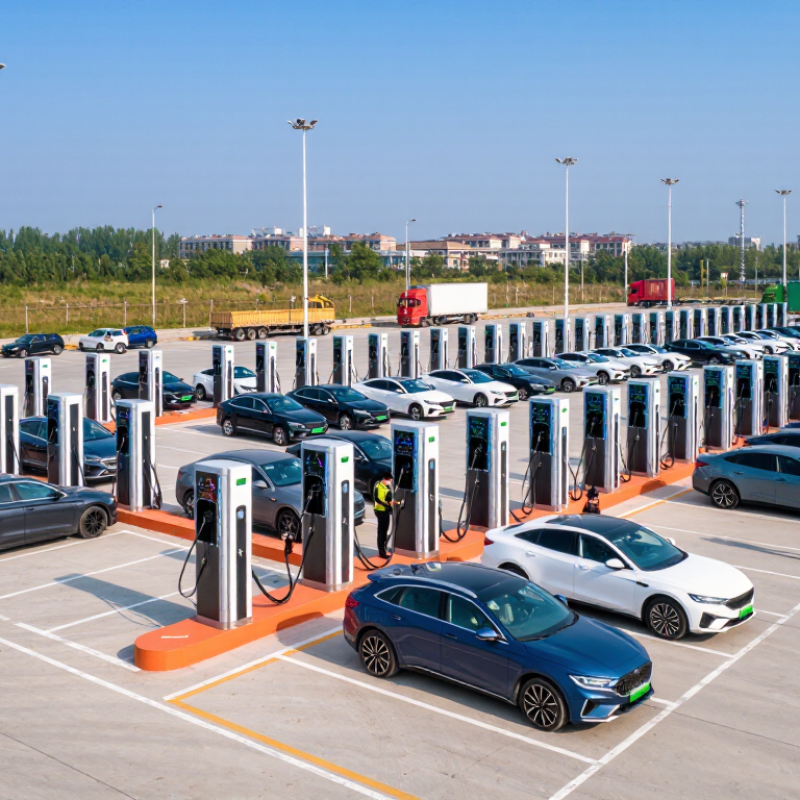
Table of Contents [Hide]
What Defines a Top Rapid EV Charger Manufacturer in China
What Defines a Top Rapid EV Charger Manufacturer in China
A top rapid EV charger manufacturer proves performance beyond a showroom demonstration. Its equipment should deliver stable power during repeated charging sessions, not only during a short laboratory test. Engineers should verify output accuracy, cooling performance, insulation, and connector durability. A 180 kW charger may look impressive, but field results matter more. Numbers matter.
Reliable manufacturers design around local operating conditions. They test chargers in summer heat, winter cold, dust, rain, and unstable grid environments. Strong thermal management prevents power reduction after several vehicles charge continuously. Clear displays, balanced cable weight, and emergency stop controls also influence daily usability. Small details become important at busy charging sites.
Professional suppliers provide traceable test reports, compliant safety documentation, and software that supports remote monitoring. They should explain power-sharing logic instead of hiding it behind technical language. Open communication with installers helps reduce downtime and maintenance costs. Spare parts availability and trained service teams are equally important. Field experience reveals weaknesses that brochures rarely mention. No system is perfect. A careful manufacturer admits failure points and improves them through updated firmware, revised components, and honest customer feedback. That attitude often separates a dependable partner from a factory focused only on shipment volume.