-
PRODUCTS & SERVICESOptimized cooling solutions for modern data centersProducts & ServicesOptimized cooling solutions for modern data centers
-
CAPABILITIESAdvancing liquid cooling technologiesCapabilitiesAdvancing liquid cooling technologies
-
TechnologiesLiquid Cooling InnovationTechnologiesLiquid Cooling Innovation
-
RESOURCESLatest News & InformationResourcesLatest News & Information
-
ABOUTOur history, leadership and ownershipAboutOur history, leadership and ownership
-
CONTACTFacility locations and global operational footprint




China Top 10 MCB Assembly Robot Manufacturers?
China’s MCB assembly automation sector includes manufacturers with different strengths in machine design, controls, integration, and after-sales support. A “top 10” list is most useful when it compares verifiable capabilities, not just promotional claims. Buyers should examine factory references, production-cycle data, changeover procedures, and the availability of spare parts. A polished demo is helpful. It is not proof of long-term performance.
For a transparent expert perspective, the following is an illustrative comment, not a quotation from a verified, named industry professional: “A reliable Mcb Assembly Robot should deliver repeatable assembly quality, with faults that operators can identify and resolve.” That practical test matters on the factory floor. Look closely at how each system handles component feeding, screw fastening, testing, and traceability. Ask whether the manufacturer can show those processes using the buyer’s actual MCB components. Small details count: a poorly positioned feeder or unclear alarm can interrupt a line. A little skepticism is healthy.
This article’s China top 10 overview can help readers build a shortlist, but rankings alone cannot establish suitability. Compare each supplier against your product range, target output, available floor space, and maintenance skills. Request specific evidence, then check it with customer references where possible. The best choice may not be the most elaborate cell. It may be the one your team can operate consistently, maintain safely, and adapt when product requirements change.
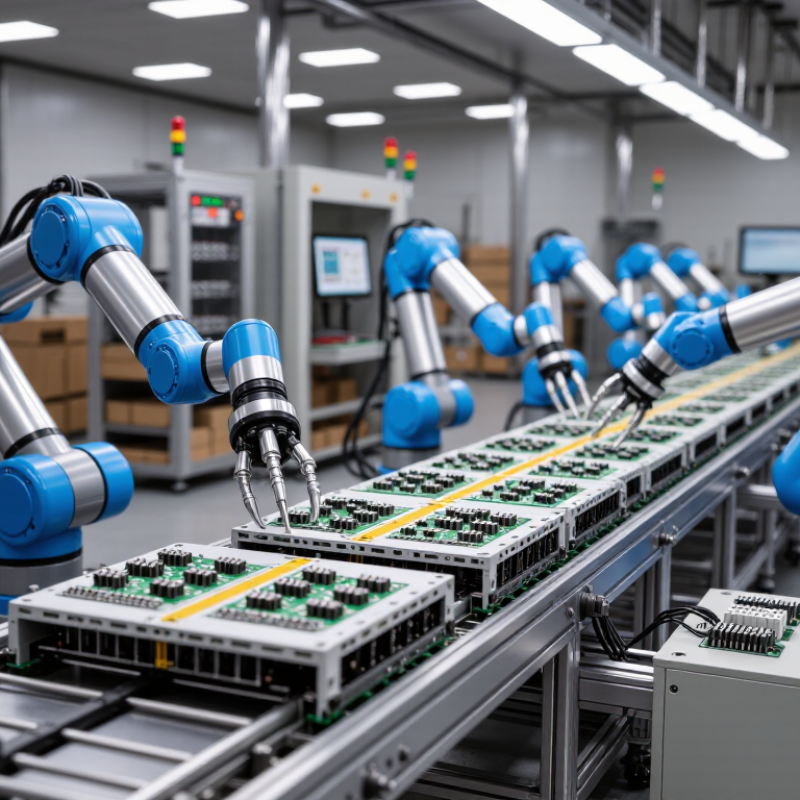
Table of Contents [Hide]
What Is an MCB Assembly Robot and How Does It Work?
An MCB assembly robot is an automated system designed to build miniature circuit breakers with consistent speed and accuracy. It handles small parts such as housings, terminals, springs, contacts, and switching mechanisms. The robot does not replace every engineering decision. Instead, it performs repeated tasks under controlled conditions.
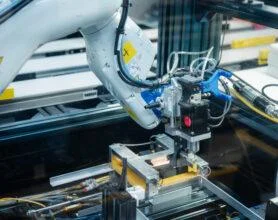
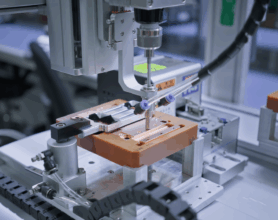
The process usually begins with a feeder that separates components and presents them in a fixed position. A vision camera checks orientation, missing parts, and visible defects. Robotic grippers then place each component into the breaker housing. Servo-driven tools control insertion force and fastening torque. This matters because a loose terminal can create heat, while excessive force may damage delicate parts.
After assembly, sensors verify movement, contact spacing, and switch operation. Electrical testers may check insulation resistance and trip performance under approved factory procedures. Data from each station can be linked to a production record, helping engineers investigate failures. In real production, dust, vibration, and inconsistent parts still cause trouble. No system is perfect.
A careful setup includes guarding, emergency stops, interlocks, and regular calibration. Operators also inspect tooling wear and review rejected units instead of trusting automation blindly. Small alignment errors can remain unnoticed for hours. That risk deserves more attention. A well-designed robot improves repeatability, but its results depend on accurate fixtures, stable materials, and disciplined maintenance.