-
PRODUCTS & SERVICESOptimized cooling solutions for modern data centersProducts & ServicesOptimized cooling solutions for modern data centers
-
CAPABILITIESAdvancing liquid cooling technologiesCapabilitiesAdvancing liquid cooling technologies
-
TechnologiesLiquid Cooling InnovationTechnologiesLiquid Cooling Innovation
-
RESOURCESLatest News & InformationResourcesLatest News & Information
-
ABOUTOur history, leadership and ownershipAboutOur history, leadership and ownership
-
CONTACTFacility locations and global operational footprint




What Is a Chicken Cage Manure Belt and How Does It Work?
A Chicken Cage Manure Belt is a practical system for removing poultry waste from beneath tiered cages. It uses a continuous belt, usually made from polypropylene or a similar durable material. As manure drops through the cage floor, it lands on the moving belt below. A motor slowly carries the waste toward the end of the house. Scrapers or rollers then guide it into a collection area, trailer, or composting zone.
The system can reduce manual cleaning and improve air quality when it is operated correctly. Frequent belt movement removes manure before it accumulates heavily beneath the birds. This may lower moisture, ammonia odor, and fly pressure inside the building. However, performance depends on belt alignment, ventilation, stocking density, and cleaning schedules. Small problems matter. A loose belt can wrinkle, spill waste, or damage the drive system. Wet manure may also stick to the belt and require more frequent inspection. In practical farm use, routine checks often matter as much as the equipment itself. Operators should inspect tension, bearings, scrapers, and motor noise before failures become expensive. Manufacturer instructions and local agricultural guidance remain important references. The technology is effective, but it is not automatic magic. Poor maintenance can erase its advantages. This article explains the belt’s main parts, working process, operating benefits, and limitations, while recognizing that farm conditions vary considerably.
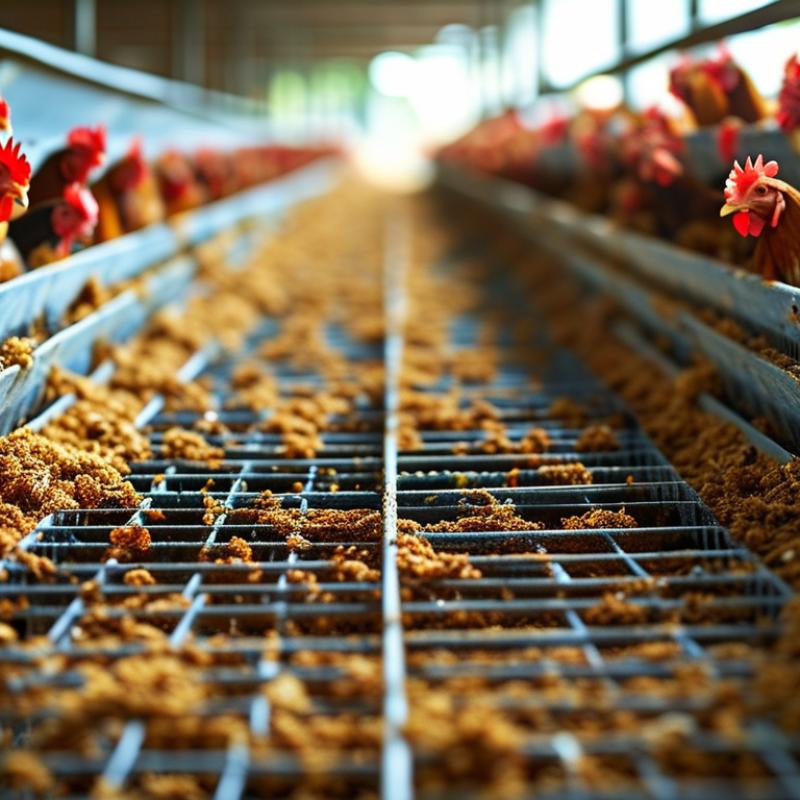
Table of Contents [Hide]
What Is a Chicken Cage Manure Belt?
A chicken cage manure belt is a continuous conveyor installed beneath tiered laying-hen cages.
It collects droppings before they reach the floor. Small feed particles, feathers, and spilled water may also land on it. The belt then carries the manure toward one end of the house. A scraper or transfer system moves it into a storage area or transport vehicle.
The European Commission’s 2017 Best Available Techniques Reference Document identifies frequent manure removal and belt drying as important practices for reducing odor and ammonia emissions. The system is practical, but not completely automatic.
Air movement is essential. Fans pass air across the manure surface, helping lower moisture before removal. The USDA Agricultural Waste Management Field Handbook reports that poultry manure commonly contains about 60–80% moisture, depending on bird age, diet, leakage, and storage conditions.
Drier manure is easier to handle and usually produces less seepage.
The belt moves. Small details matter.
Uneven airflow can leave wet sections, while a poorly adjusted belt may retain manure under the cages. In practice, the equipment is less tidy than diagrams suggest. Regular inspection remains necessary, especially around drive rollers, belt joints, and water lines.
Data from the European Environment Agency also links improved manure handling with lower agricultural ammonia losses, although performance varies by housing design and operating discipline.