-
PRODUCTS & SERVICESOptimized cooling solutions for modern data centersProducts & ServicesOptimized cooling solutions for modern data centers
-
CAPABILITIESAdvancing liquid cooling technologiesCapabilitiesAdvancing liquid cooling technologies
-
TechnologiesLiquid Cooling InnovationTechnologiesLiquid Cooling Innovation
-
RESOURCESLatest News & InformationResourcesLatest News & Information
-
ABOUTOur history, leadership and ownershipAboutOur history, leadership and ownership
-
CONTACTFacility locations and global operational footprint




What Is a Bluetooth Tracker and How Does It Work?
A Bluetooth Tracker is a small device that helps locate everyday items, such as keys, bags, wallets, or bicycles. It usually connects to a smartphone through Bluetooth Low Energy, which uses little power. When the tracker stays within range, the companion app can show its approximate location or trigger a sound. The process feels simple, but several technical steps happen quietly.
The tracker sends a short wireless signal at regular intervals. Your phone detects that signal and records the last known location. Many modern systems can also use a wider finding network, where nearby participating devices detect the tracker anonymously. This can help locate an item beyond your home, although the result depends on device density, signal strength, battery life, and network design. Walls, metal objects, crowded streets, and weather can affect performance.
It is not magic.
A Bluetooth Tracker does not normally provide continuous GPS tracking. It may show where the item was last detected rather than where it is now. That distinction matters when a bag moves or a tracker loses power. Responsible use also requires attention to privacy, account security, and unwanted tracking protections. Users should follow the manufacturer’s guidance and keep firmware updated. Real-world experience shows that these devices are useful, but imperfect. A tracker can save a stressful search, yet it cannot replace careful organization or reliable safety practices. Understanding how it communicates makes its benefits, limits, and responsible use much clearer.
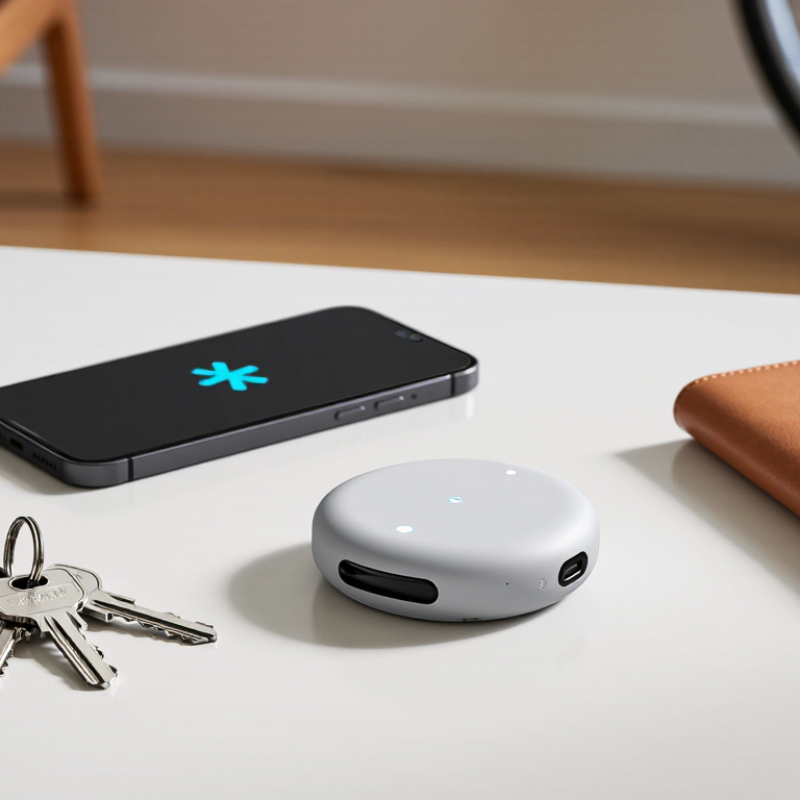
Table of Contents [Hide]
Bluetooth Tracker Definition and Basic Components
A Bluetooth tracker is a small electronic device that helps locate nearby belongings. It usually attaches to keys, luggage, a wallet, or a bicycle. The tracker sends a low-energy radio signal, while a phone detects that signal through a companion application. Unlike a satellite positioning device, it normally does not calculate its own exact location. Its position is estimated from a connected phone or another participating device.
The basic components are compact but important. A Bluetooth chip creates the wireless signal. A coin-cell or rechargeable battery supplies power. An antenna broadcasts and receives data. Many trackers also include a small speaker, button, and motion sensor. The outer case protects these parts from dust and occasional drops. Some models resist water, but protection levels differ. The printed rating should be checked carefully.
When the tracker is close, the application may show signal strength or trigger a sound. A stronger signal often means greater proximity, though walls, metal, and furniture can distort it. When the tracker moves beyond direct range, nearby participating phones may detect its signal and update its approximate location. This process depends on local device availability. It is not magic. Battery life, radio interference, and delayed updates can reduce accuracy. I have found that a tracker can be reassuring, yet it should not replace careful labeling or responsible storage. Personal data settings also deserve regular review.