-
PRODUCTS & SERVICESOptimized cooling solutions for modern data centersProducts & ServicesOptimized cooling solutions for modern data centers
-
CAPABILITIESAdvancing liquid cooling technologiesCapabilitiesAdvancing liquid cooling technologies
-
TechnologiesLiquid Cooling InnovationTechnologiesLiquid Cooling Innovation
-
RESOURCESLatest News & InformationResourcesLatest News & Information
-
ABOUTOur history, leadership and ownershipAboutOur history, leadership and ownership
-
CONTACTFacility locations and global operational footprint




7 Best Precision Mold Components Suppliers for Global Buyers
Precision Mold Components rarely attract attention on a finished product. Yet a worn ejector pin, inconsistent guide bushing, or poorly fitted core can disrupt production and increase maintenance needs. For global buyers, supplier choice is not merely a price comparison. It affects fit, tool life, lead times, and the consistency of molded parts.
The market context is substantial, though broad. Fortune Business Insights estimated the global injection-molded plastics market at USD 330.79 billion in 2023 and projected USD 476.46 billion by 2032. This figure covers molded plastics, not mold components alone; it signals the scale of the manufacturing ecosystem rather than component-market demand. Small details matter. John Bozzelli, an injection-molding expert and founder of Scientific Molding, is associated with the useful principle, “Injection molding is a process, not an event.” That perspective helps explain why component quality and supplier support matter throughout a tool’s operating life.
This guide compares seven suppliers for buyers seeking dependable Precision Mold Components across international supply chains. It focuses on practical considerations: product range, machining capability, material and tolerance information, customization, quality documentation, and responsiveness. A polished catalog is not enough. Buyers should verify specifications, request relevant inspection records, and confirm how suppliers handle revisions and urgent replacements. No ranking can replace a project-specific assessment. Use this shortlist as a starting point, then match each supplier’s strengths to your tooling requirements, production volume, and delivery constraints.
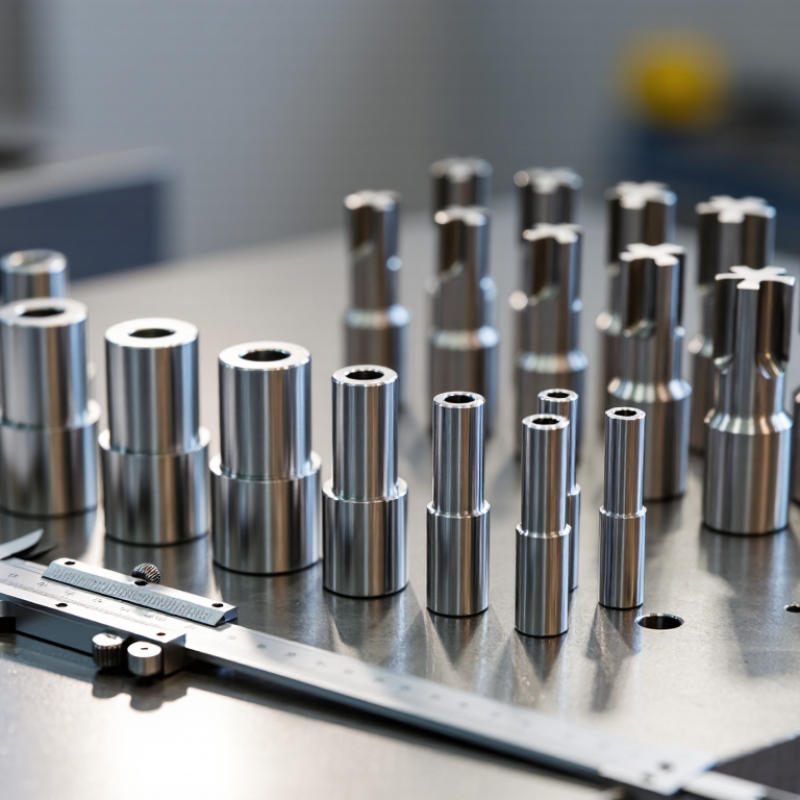
Table of Contents [Hide]
What Precision Mold Components Are and Why They Matter
Precision mold components are the engineered parts that guide, shape, cool, and release material inside a mold. Common examples include guide pins, bushings, ejector pins, cores, and cavity inserts. Their dimensions may look small on a drawing, but a slight mismatch can affect alignment, surface finish, or part consistency. Small details matter.
In practical mold work, components face repeated pressure, heat, and motion. A guide pin must stay aligned through many cycles; an ejector pin must move without sticking or marking the part. Material choice, hardness, finish, and dimensional inspection all influence performance. Reliable suppliers should be able to explain their tolerances, inspection methods, and material records in clear terms. Buyers can also request measurement reports for critical dimensions and check whether samples fit the actual tooling.
A drawing can be exact; the real setup rarely is. Machine conditions, assembly, and temperature can change how parts behave, so supplier data should support—not replace—trial fitting and process checks. It is easy to focus only on price. Yet inconsistent components may mean extra adjustments, downtime, or rework. Precise parts help molds run predictably, though they cannot fix every design or maintenance problem.