-
PRODUCTS & SERVICESOptimized cooling solutions for modern data centersProducts & ServicesOptimized cooling solutions for modern data centers
-
CAPABILITIESAdvancing liquid cooling technologiesCapabilitiesAdvancing liquid cooling technologies
-
TechnologiesLiquid Cooling InnovationTechnologiesLiquid Cooling Innovation
-
RESOURCESLatest News & InformationResourcesLatest News & Information
-
ABOUTOur history, leadership and ownershipAboutOur history, leadership and ownership
-
CONTACTFacility locations and global operational footprint



7 Best OCR Inspection Systems for Global Buyers
Packaging lines rarely fail in dramatic ways. A faint date code, a shifted label, or one blurred character can quietly disrupt inspection records and product flow. Ocr Inspection systems use cameras and text-recognition software to read printed or marked information, then compare it with expected values. Their performance depends on more than recognition accuracy. Lighting, print quality, line speed, camera placement, and integration with existing equipment all matter. Small details matter.
For global buyers, choosing a system also means weighing support availability, language handling, data storage, and the practical cost of maintenance. A strong demonstration should use samples from your own production line, including worn packaging, reflective surfaces, and slightly misaligned codes. Ask how the system flags uncertain reads, records inspection results, and handles recipe changes. Those answers reveal more than a polished sales demo. There is no universal winner.
This guide compares seven OCR inspection systems through buyer-focused criteria, including detection capability, usability, integration options, and service support. Product specifications can change, and advertised performance may not reflect every factory’s conditions. That part is easy to overlook. Treat any shortlist as a starting point, then verify requirements with vendors and run a controlled trial before committing. The best fit is usually the system that performs consistently on real production samples, not the one with the longest feature list.
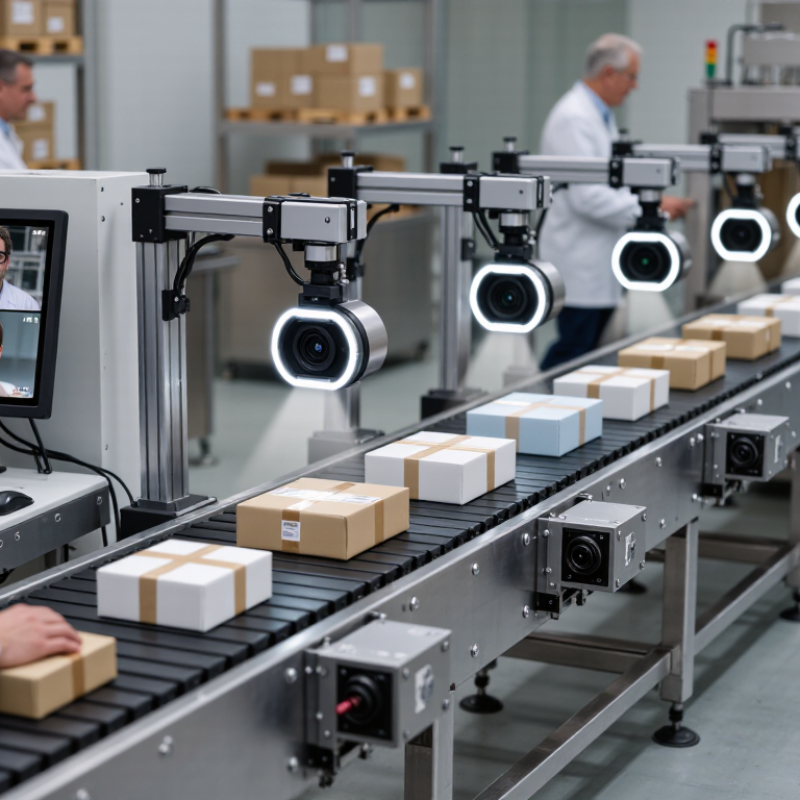
Table of Contents [Hide]
What OCR Inspection Systems Are and How They Work
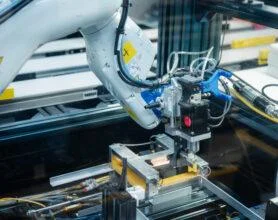
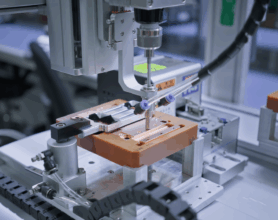
OCR inspection systems read printed or marked characters on products, labels, and packaging as items move along a production line. They turn images into text. A camera captures each item at a fixed inspection point, while controlled lighting helps reveal ink, embossing, or faint marks without excessive glare. Software locates the text, recognizes individual characters, and compares the result with expected information. If a date code is missing, blurred, or incorrect, the system can flag the item for review or removal. The response depends on how the line is configured.
OCR is not magic. A glossy pouch, curved bottle, or small ink smudge can confuse recognition, especially when print quality varies. Teams should test samples from real production shifts, including items with worn printheads and changing light. They also need to set acceptable reading confidence carefully: a threshold that is too strict may create needless rejects, while a loose one can miss errors. Regular checks of camera focus, lighting, and sample results help keep readings dependable. Yet setup takes adjustment, and some products remain harder to inspect than expected.