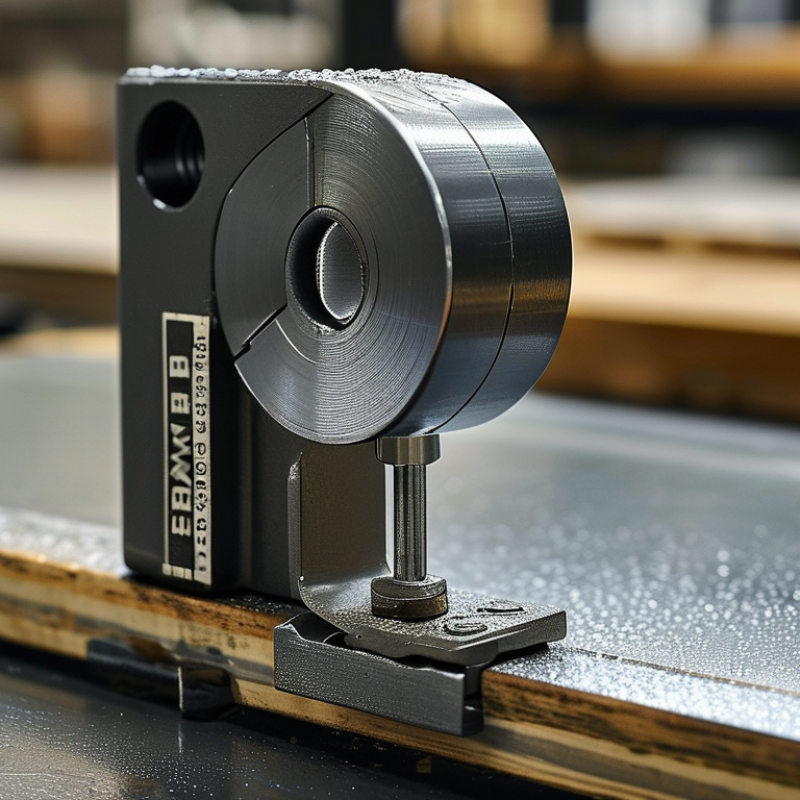
| Product Performance and Construction |
| Magnet Type | Neodymium-iron-boron for high holding force; ferrite for lower-cost and higher-temperature applications | Confirm magnet grade, coating, polarity, and whether the magnet is enclosed or exposed | Material identification and batch traceability; coating inspection records | Magnet grade, shape, pole arrangement, and protective encapsulation | Material specification, production batch record, and sample test report |
| Nominal Holding Force | Approximately 2–20 kgf for common heavy-duty clip formats, depending on magnet size and test conditions | Compare test results under the same steel plate thickness, contact area, pull direction, and air gap | Internal pull-force procedure based on a calibrated force gauge; clearly documented test conditions | Magnet diameter, thickness, quantity, and clip geometry can be adjusted | Force-versus-air-gap data, calibration certificate, and retained samples |
| Clip Material | Carbon steel, stainless steel, or corrosion-resistant coated steel | Check spring recovery, edge finish, deformation resistance, and compatibility with the intended environment | Material certificate; dimensional and functional inspection records | Material grade, surface finish, wire thickness, jaw width, and spring tension | Material declaration, inspection plan, and first-article sample |
| Clip Size | Typical jaw widths: 25–75 mm; overall lengths commonly 40–120 mm | Verify opening width, closed height, magnet footprint, and available mounting space | Drawing tolerances and dimensional inspection using calibrated gauges | Custom dimensions, mounting holes, handles, rubber pads, and protective caps | 2D drawing, 3D file where applicable, and dimensional inspection report |
| Surface Protection | Nickel, zinc, epoxy, powder coating, or stainless-steel construction | Assess corrosion resistance, coating adhesion, surface uniformity, and resistance to handling wear | Salt-spray testing may be specified using ASTM B117 or ISO 9227; duration must be agreed in advance | Color, coating thickness, logo-free packaging, and anti-scratch protective film | Coating specification, test conditions, and representative photographs |
| Operating Temperature | Common neodymium grades are often rated from approximately 80°C to 150°C; verify the selected grade | Check permanent-loss risk, adhesive limitations, clip spring behavior, and exposure duration | Manufacturer material data and application-specific thermal test results | High-temperature magnet grade, heat-resistant adhesive, and metal enclosure | Temperature rating, demagnetization data, and test method |
| Safety and Handling | Use protective packaging and clear warnings for strong magnets and small detachable components | Consider pinching hazards, swallowed-magnet risks, pacemaker interference, and damage to magnetic media | Applicable destination-market product-safety requirements and packaging review | Warning labels, instruction cards, child-resistant packaging, and retail-ready cartons | Safety data, packaging artwork, and risk assessment |
| Customization and Commercial Requirements |
| Design Customization | Low to high; most changes are feasible when tooling and magnet clearances are reviewed | Confirm that customized dimensions do not reduce magnet protection or clip fatigue life | Design verification, prototype approval, and change-control procedure | Clip profile, jaw shape, magnet housing, handle style, rubber insert, and mounting interface | Prototype samples, approved drawings, and engineering change records |
| Packaging Configuration | Bulk cartons, individual polybags, paper sleeves, blister packs, or export cartons | Ensure magnets are immobilized, surfaces are protected, and carton weight complies with handling needs | Packaging drop and vibration testing may be specified for transport-sensitive shipments | Pack quantity, barcode area, warning text, carton dimensions, and recycled materials | Packaging specification, packing photos, and carton packing list |
| Minimum Order Quantity | Usually lower for standard items and higher for new tooling, custom coatings, or special packaging | Separate standard-product MOQ from custom-product MOQ and identify setup charges | Written quotation with tooling, sample, and production terms stated separately | Trial order quantities, mixed-size cartons, and staged production | Formal quotation, tooling ownership terms, and sample lead time |
| Lead Time | Standard production often requires several weeks; tooling and approval can extend the schedule | Confirm whether lead time starts after purchase order, deposit, drawing approval, or sample approval | Documented production schedule and shipment milestone plan | Pre-production sample, pilot run, and phased delivery | Capacity statement, production schedule, and on-time delivery history |
| Supplier Evaluation Scorecard |
| Quality Management | Suggested weighting: 25% | Evaluate incoming-material control, in-process inspection, final inspection, nonconformance handling, and traceability | ISO 9001 certification can support process evaluation but does not replace product testing | Inspection checkpoints can be added for magnets, spring force, coating, and packaging | Quality manual, audit report, inspection plan, and corrective-action records |
| Testing Capability | Suggested weighting: 20% | Verify access to calibrated equipment for pull force, dimensions, coating, temperature, and corrosion testing | Calibration should be traceable to recognized national or international measurement standards | Custom acceptance limits and lot-based sampling plans | Equipment list, calibration certificates, test methods, and sample reports |
| Production Capacity | Suggested weighting: 15% | Review monthly capacity, bottleneck processes, backup equipment, labor coverage, and material availability | Capacity claims should be supported by production records or an on-site or remote audit | Reserved capacity, rolling forecasts, and scheduled replenishment | Capacity statement, process flow chart, and recent delivery performance |
| Compliance and Documentation | Suggested weighting: 15% | Confirm ability to provide accurate material declarations, safety documents, origin information, and export records | Requirements depend on destination market, product use, packaging, and chemical content | Destination-specific labels, documentation language, and packaging declarations | Compliance checklist, declarations, certificates, and controlled document templates |
| Commercial Reliability | Suggested weighting: 15% | Assess quotation clarity, response time, payment terms, warranty process, and communication quality | Use a written quality agreement and clearly defined acceptance criteria | Inspection before shipment, replacement policy, and service-level commitments | Signed terms, warranty conditions, escalation contacts, and reference projects without undisclosed brand data |
| Logistics and Export Readiness | Suggested weighting: 10% | Review export packing, carton marking, shipping documents, delivery terms, and magnetic-material handling requirements | Confirm carrier and destination requirements before shipment, especially for air freight | Palletization, mixed-SKU loading, carton labeling, and shipment consolidation | Packing specification, sample shipping documents, and logistics contingency plan |
| Recommended Buyer Acceptance Criteria |
| Pre-Production Approval | Approved drawing and signed sample before mass production | Check dimensions, holding force, opening performance, magnet security, finish, and packaging | Use a documented first-article inspection report | Record all approved options and reference samples | Approval form, controlled drawing, and golden sample retention |
| Lot Inspection | Sampling level and acceptance limits agreed before production | Inspect appearance, dimensions, clip operation, magnet polarity, holding force, and packing quantity | Sampling may be based on an agreed AQL plan; critical defects should have zero acceptance | Additional checks for custom parts or regulated destinations | Inspection report, production lot code, and release authorization |
| Defect Classification | Critical, major, and minor defects defined in writing | Examples include detached magnet, sharp edge, failed clip action, incorrect dimensions, and cosmetic variation | Acceptance criteria must be product-specific and agreed by both parties | Visual standards, limit samples, and defect photographs | Quality agreement, defect catalog, and corrective-action process |