-
PRODUCTS & SERVICESOptimized cooling solutions for modern data centersProducts & ServicesOptimized cooling solutions for modern data centers
-
CAPABILITIESAdvancing liquid cooling technologiesCapabilitiesAdvancing liquid cooling technologies
-
TechnologiesLiquid Cooling InnovationTechnologiesLiquid Cooling Innovation
-
RESOURCESLatest News & InformationResourcesLatest News & Information
-
ABOUTOur history, leadership and ownershipAboutOur history, leadership and ownership
-
CONTACTFacility locations and global operational footprint





7 Best Filter Dryer for Compressor Buying Guide?
Choosing the right Filter Dryer For Compressor can protect a refrigeration system from moisture, acid, dirt, and early compressor wear. This guide examines seven strong options for different operating conditions, compressor sizes, refrigerants, and installation demands. A small workshop system may need a compact liquid-line model. A supermarket rack requires higher capacity, better pressure control, and dependable replaceable cores.
Refrigeration educator John Tomczyk often emphasizes a simple principle: “Keep moisture out of the system.” That advice remains practical. Moisture can freeze near the expansion device, while acid may damage motor windings and lubricants. A suitable filter dryer should match the refrigerant, connection size, working pressure, flow direction, and system capacity. Check the manufacturer’s data sheet. Do not rely on appearance alone.
Real installation details matter. Look for a dry, sealed package, clear flow markings, and a casing built for vibration. A pressure-drop chart is more useful than a bold marketing claim. Some models perform well in clean systems but become restrictive after contamination. Others offer excellent capacity but cost more than a small application needs.
No buying guide is flawless. Field conditions vary, and product availability changes by region. That is why this review considers both technical specifications and practical service experience. It also highlights weaknesses, because the “best” Filter Dryer For Compressor may still be wrong for a humid environment, an oversized circuit, or a system with repeated burnout problems. Choose carefully, install correctly, and verify performance after startup.
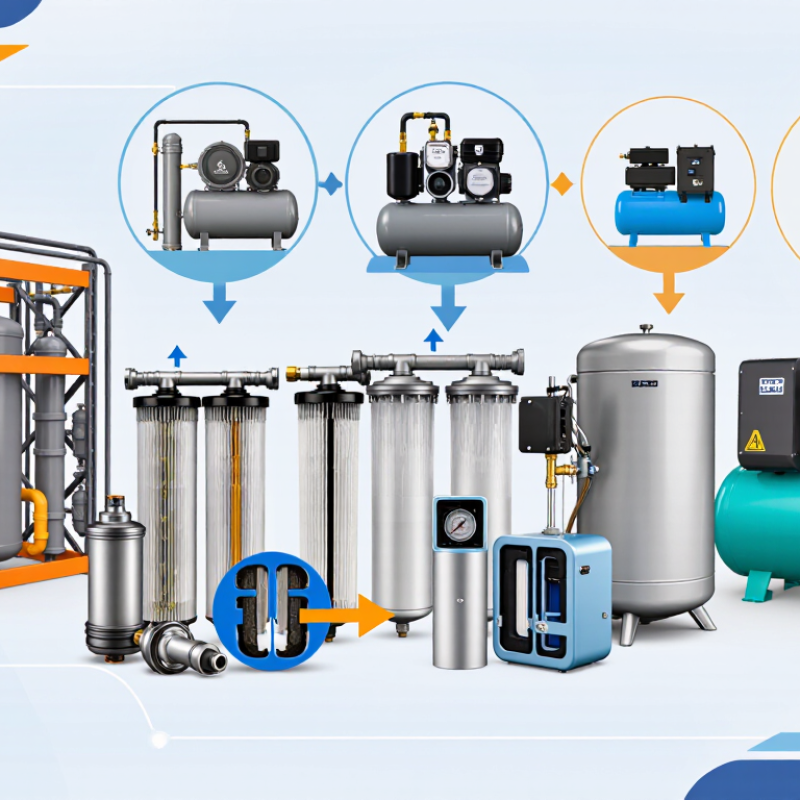
Table of Contents [Hide]
What a Compressor Filter Dryer Does and Why It Matters
A compressor filter dryer removes moisture, oil aerosol, and solid particles from compressed air. Depending on its design, it may combine filtration with refrigeration or desiccant drying. This protects valves, pneumatic tools, pipelines, and finished products from corrosion and contamination. That small housing matters. Wet air can leave rust-colored stains, freeze control lines, and shorten equipment life. It can also increase maintenance costs when overlooked.
A practical buying guide should examine seven points: flow capacity, operating pressure, filtration rating, pressure drop, outlet dew point, drain type, and replacement access. Match capacity to the compressor’s real demand, not only its advertised maximum. A narrow unit may restrict airflow and waste energy. A poorly sized dryer may pass moisture during peak production. Check the required dew point carefully. General workshop air needs less drying than air used near instruments or sensitive processes.
Installation affects performance as much as the equipment itself. Fit the dryer after an effective separator, provide enough clearance, and install drains where technicians can inspect them safely. In compressor rooms, blocked drains are a common failure.
I have also seen users replace filter elements by calendar date alone. That habit is convenient, but not always accurate. Pressure-drop readings and moisture checks reveal the actual condition better. One detail is easy to miss: a clean-looking filter can still be saturated inside. Regular inspection remains necessary.