-
PRODUCTS & SERVICESOptimized cooling solutions for modern data centersProducts & ServicesOptimized cooling solutions for modern data centers
-
CAPABILITIESAdvancing liquid cooling technologiesCapabilitiesAdvancing liquid cooling technologies
-
TechnologiesLiquid Cooling InnovationTechnologiesLiquid Cooling Innovation
-
RESOURCESLatest News & InformationResourcesLatest News & Information
-
ABOUTOur history, leadership and ownershipAboutOur history, leadership and ownership
-
CONTACTFacility locations and global operational footprint




What Are the 2026 Top Sludge Dewatering Equipment Types?
Choosing the right Sludge Dewatering Equipment in 2026 requires more than comparing catalogue capacities. Municipal plants, food factories, and industrial facilities face different sludge textures, flow rates, polymer demands, and operating pressures. A machine that performs well in a laboratory trial may behave differently beside a noisy clarifier.
Dr. Bruce Rittmann, a respected wastewater-treatment researcher, has often expressed a useful principle: “Wastewater treatment is resource recovery.” That idea changes how operators evaluate dewatering. The goal is not merely producing a drier cake. It also includes reducing hauling costs, recovering water, controlling odors, and creating a stable downstream process. Small details matter. A poorly adjusted polymer system can waste chemicals and weaken cake formation.
This guide examines the leading 2026 equipment types, including screw presses, belt filter presses, centrifuges, rotary drum thickeners, and recessed-chamber filter presses. Each option has practical strengths. Screw presses usually offer lower energy use and simpler operation. Centrifuges provide compact, continuous performance, but they may demand skilled maintenance. Belt presses remain familiar and adaptable, although wash-water consumption can become significant.
No ranking fits every plant. That is the uncomfortable part. Feed solids, shear sensitivity, automation needs, labor availability, and disposal rules can overturn an initial preference. Vendor claims also need verification through representative sludge trials. Field experience suggests that the “best” equipment is often the one operators can tune consistently, inspect safely, and maintain before performance declines. Mistakes still happen. A careful selection process makes them less expensive.
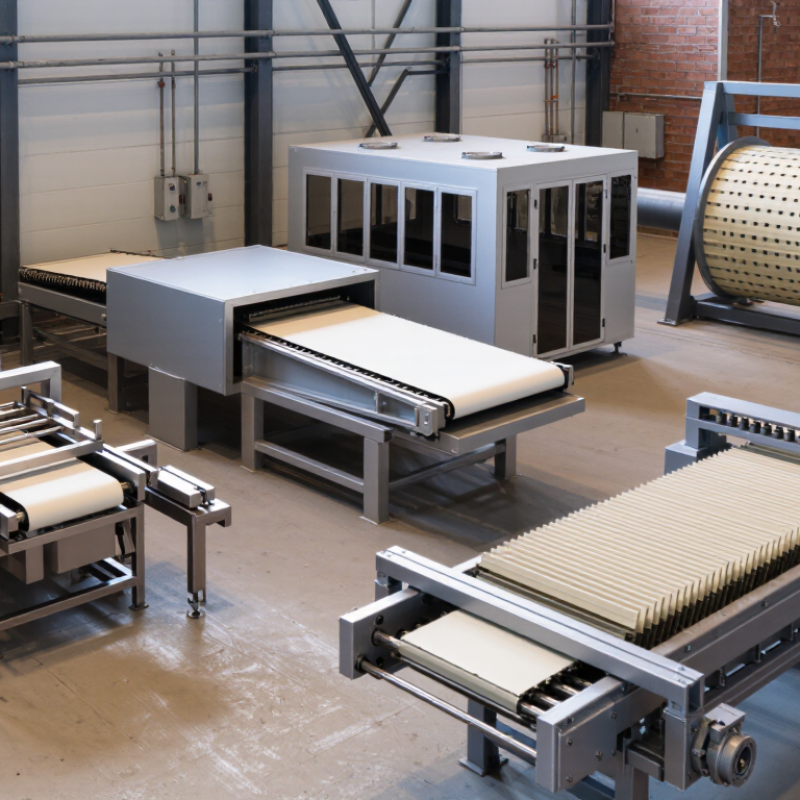
Table of Contents [Hide]
Sludge Dewatering and Its Role in Wastewater Treatment
What Are the 2026 Top Sludge Dewatering Equipment Types?
Sludge dewatering is a practical bridge between wastewater treatment and responsible residuals management. The 2024 UN-Water SDG 6 report found that only 56% of domestic wastewater flows were safely treated in 2022. This gap increases pressure on treatment plants to control sludge volume, transport, and disposal costs. Dewatering removes free water before handling. It does not make sludge harmless.
Centrifuges remain strong for continuous plants with limited floor space. They can produce consistent cake, but power demand and polymer use require close monitoring. Belt filter presses suit steady flows and simpler maintenance routines. They need more space and can release odors. Screw presses use lower energy and handle smaller installations well. Their slower operation may reduce peak capacity. Filter presses can achieve high cake dryness, often above 30% solids, depending on sludge quality and conditioning.
The right choice depends on more than equipment type. Operators should compare feed solids, target cake dryness, wash-water demand, noise, and staffing. A 2023 industry review by the European Sustainable Phosphorus Platform noted that sludge treatment performance varies widely with feed composition and process control. That matters in daily operation. A dry cake is not always the best result. Excess polymer can raise costs and complicate downstream recovery. Poor calibration can quietly damage performance. Testing real sludge samples remains essential before specifying a 2026 system.