-
PRODUCTS & SERVICESOptimized cooling solutions for modern data centersProducts & ServicesOptimized cooling solutions for modern data centers
-
CAPABILITIESAdvancing liquid cooling technologiesCapabilitiesAdvancing liquid cooling technologies
-
TechnologiesLiquid Cooling InnovationTechnologiesLiquid Cooling Innovation
-
RESOURCESLatest News & InformationResourcesLatest News & Information
-
ABOUTOur history, leadership and ownershipAboutOur history, leadership and ownership
-
CONTACTFacility locations and global operational footprint




2026 Best EV Charging Station Manufacturers?
The 2026 EV market will reward dependable infrastructure, not attractive brochures alone. The best Charging Station manufacturers must deliver uptime, safety, interoperability, and practical service support.
The International Energy Agency’s Global EV Outlook 2024 reported more than four million public charging points worldwide by the end of 2023. It also recorded public charger growth of about 40% that year. These figures reveal a clear pressure point: networks need reliable hardware as electric vehicle adoption expands. A charger that fails during a winter commute is not merely inconvenient. It can disrupt fleet schedules, customer trust, and operating revenue.
This guide examines leading manufacturers through measurable criteria. These include charging speed, connector compatibility, software stability, cybersecurity, warranty coverage, and maintenance response. It also considers performance in homes, workplaces, highways, and commercial fleets. The U.S. Department of Energy’s Alternative Fuels Data Center highlights the importance of charger availability and location transparency. Meanwhile, the European Alternative Fuels Infrastructure Regulation is pushing stronger deployment standards across Europe.
No ranking is perfect.
Real-world results vary by climate, grid capacity, installation quality, and local support. A powerful 350 kW unit may underperform on a constrained site. A smaller AC charger may serve an office better. That distinction matters. Drawing on industry reports, technical specifications, and user-facing operating needs, this 2026 comparison identifies manufacturers with credible strengths, visible limitations, and the experience needed for dependable EV charging expansion.
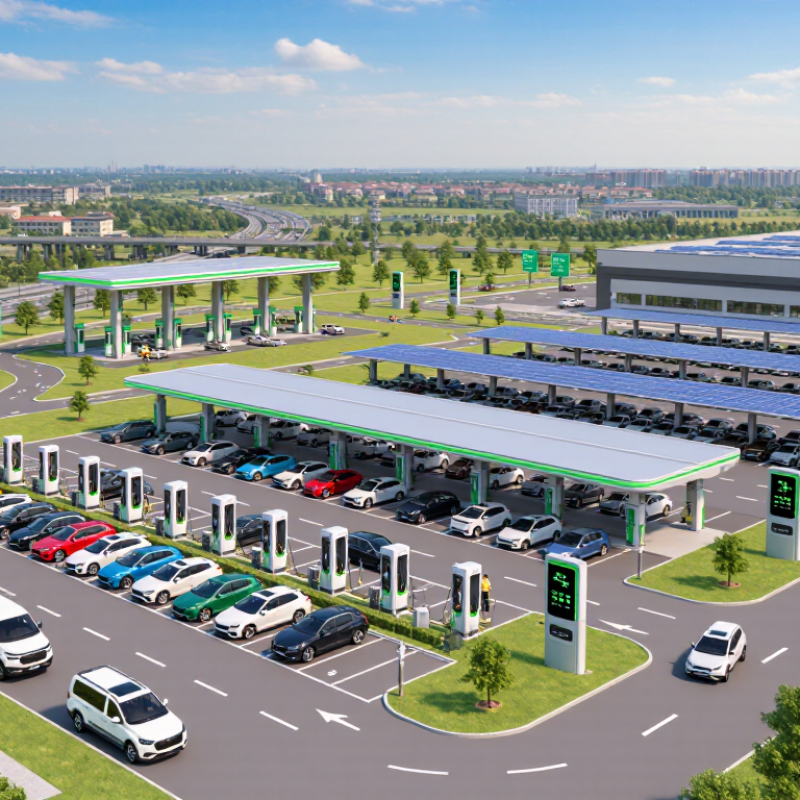
Table of Contents [Hide]
Global Market Baseline: 17 Million EVs Sold in 2024 (IEA)
2026 Best EV Charging Station Manufacturers?
The global baseline is already substantial. The International Energy Agency reported more than 17 million electric cars sold worldwide in 2024. That figure changes how buyers should evaluate charging station manufacturers. Demand is no longer experimental. It affects apartment garages, workplace parking, highways, and retail sites every day.
The strongest manufacturers should prove reliable output under heat, cold, dust, and repeated public use. Their stations need accurate power delivery, clear status signals, safe cable handling, and dependable software updates. Installation records matter too. A charger that looks advanced but requires frequent service can become an expensive parking obstacle. Field technicians should also find replacement parts and diagnostic tools easily.
Payment security and standards support long-term confidence. Buyers should check connector compatibility, network integration, warranty terms, and local electrical requirements. Energy management is increasingly important because many sites cannot support every charger at full power simultaneously. Smart load balancing can reduce costly upgrades, but it must respond quickly when several vehicles arrive together.
No ranking is perfect. A spreadsheet may reward charging speed while missing poor support. Real drivers notice downtime first. Manufacturers that publish uptime data, explain testing methods, and acknowledge installation limits deserve closer attention in 2026. The 17-million-vehicle market makes transparency practical, not optional.